
Roundup
Juicing for Beginners
An honest account of what starting a juicing habit involves, before you spend anything.
Everything that is not a buying decision: starting, cleaning, storing, and fixing it when it jams.
By Brijon M. · Last reviewed October 2, 2026
Most juicers that stop getting used were not badly chosen. They were abandoned, usually in the first month, usually because of cleanup or produce cost. These guides are about the parts of juicing that happen after the purchase, which is where the habit is actually won or lost.
Three pages, in this order. Is a juicer worth it is the one to read before you spend anything, because for some people the answer is genuinely no and it is cheaper to find that out now. Juicing for beginners covers what the habit actually involves day to day. How to choose your first juicer turns that into a buying decision.
The honest summary of all three: a juicer is a machine that converts money and twelve minutes into a glass of juice. If that trade appeals, almost any machine in our roundups will do. If it does not, no machine fixes it.
Two further pages answer the questions that follow immediately after. Are expensive juicers worth it is about what the money buys as you move up the price bands, which is convenience and warranty rather than a published yield advantage. How long does a juicer last collects every warranty term on this site, because it is the only durability figure any manufacturer in this category commits to.
Every commercial page on this site judges machines on yield, pulp, cleanup time and price. These guides are where those words get defined, because they are used loosely everywhere else:
The practical failure modes are predictable and they all have guides. Cleanup fatigue: how to clean a juicer and whether you have to clean it after every use. Produce cost: juicing on a budget and how much celery one cup takes. Waste guilt: what to do with juicer pulp. Time: how long fresh juice lasts, which is really a guide to batching.

Three guides cover nearly every complaint. Why your juicer is not making much juice covers thin output, wet pulp and a screen that needs more attention than you are giving it. Juicer clogging fixes covers the celery problem specifically, which is the single most common jam in a cold press machine and almost always fixable with technique rather than a new machine. And a juicer that will not turn on is almost never a dead motor -- it is an interlock that is one notch out of position, a thermal cutout that has tripped, or a jam the motor cannot start against.
Everything here is written by one person, named on every page, and corrections are genuinely welcome -- the contact page exists partly for that. Where a factual claim changes, the page carries a dated note saying so rather than being quietly edited.
Each of these carries its own picks, the four-criteria table and a source label on every figure.
Roundup
An honest account of what starting a juicing habit involves, before you spend anything.

Roundup
A five-question decision process, in the order that avoids the expensive mistakes.

Roundup
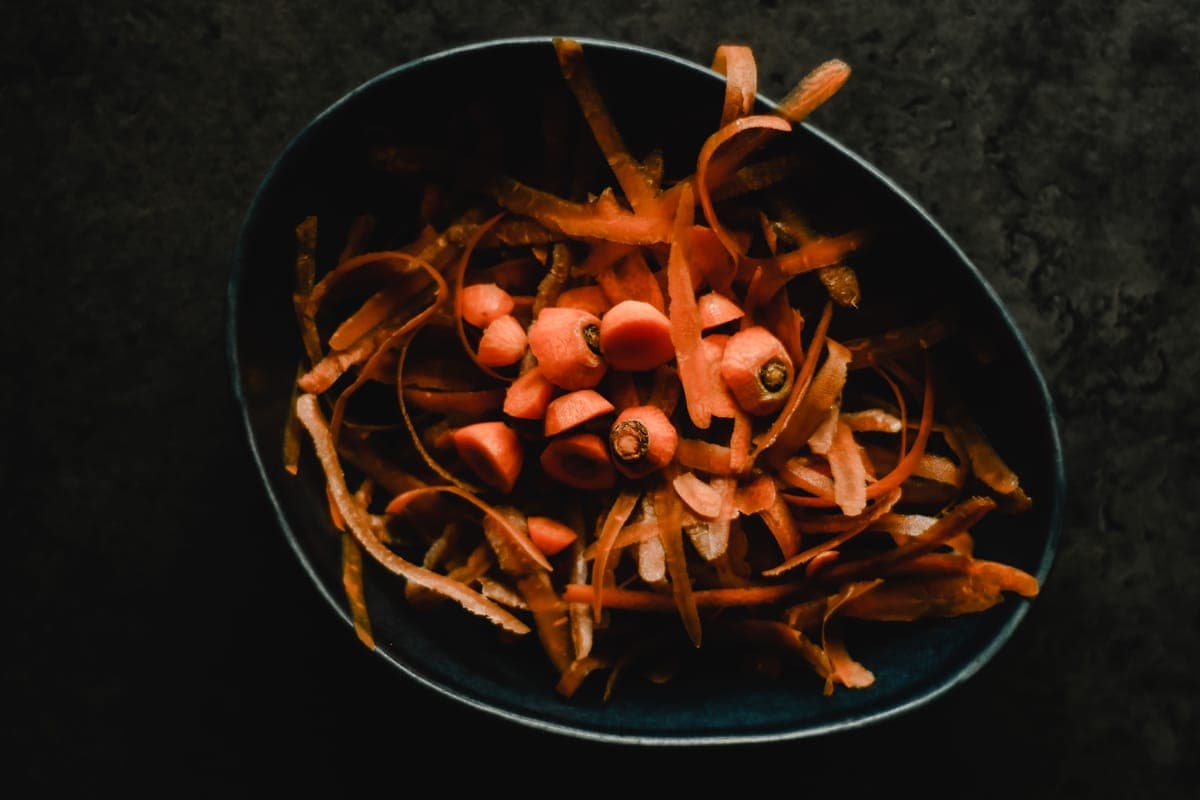
The real costs of juicing, and four situations where the honest answer is that it is not worth it.
Roundup
Why juicer yield figures do not exist, where the circulating numbers come from, and how to measure your own.
Roundup
The difference between pulp in your juice and pulp dryness in the bin, and which machines control each.
Roundup
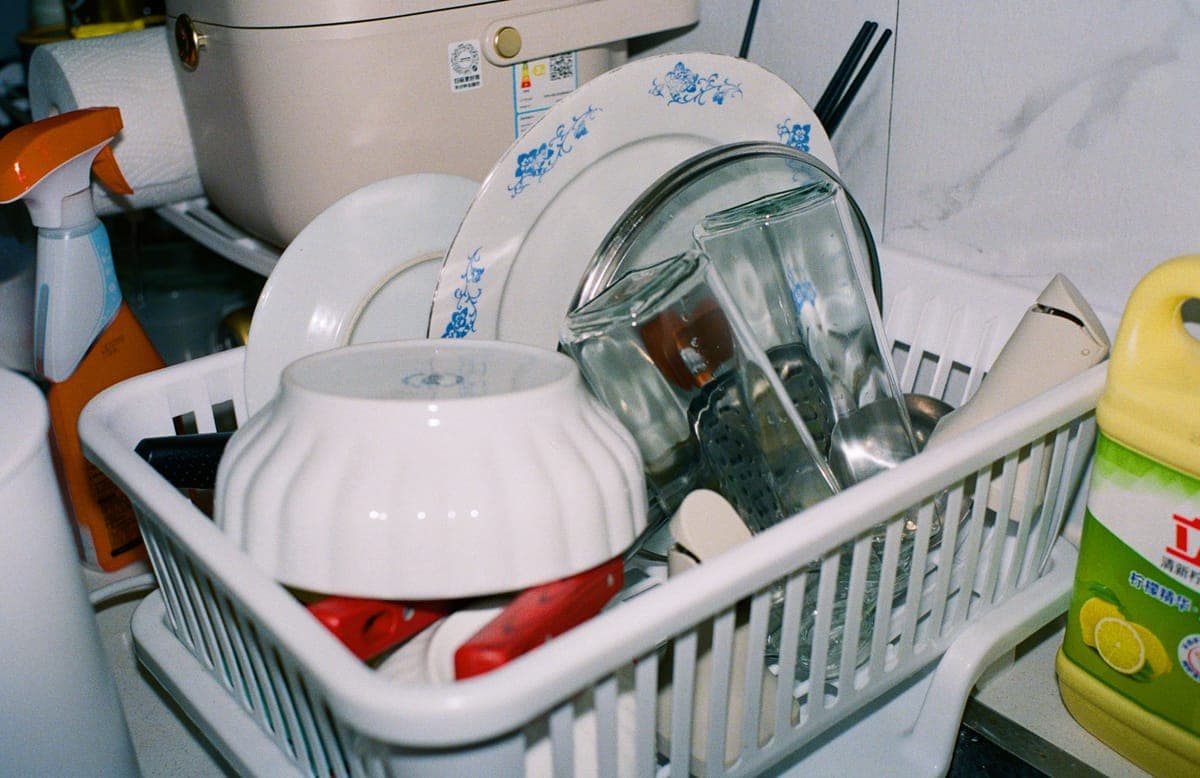
A shopping checklist for cleanup claims, and what each brand's wording actually commits to.

Roundup
What the industry publishes about juicer noise (almost nothing), what predicts it, and how to juice quietly.

Roundup
The three measurements that decide whether a juicer fits, and the published dimensions to check them against.
Roundup
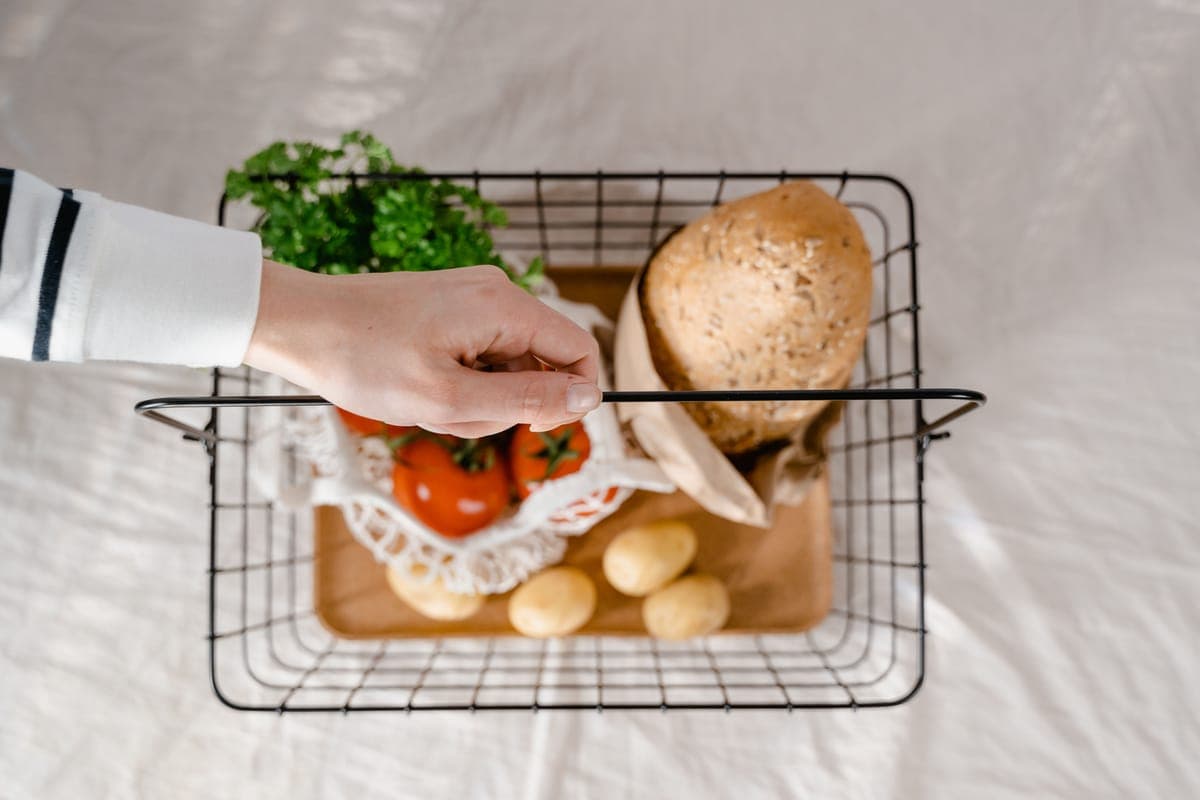
How to reduce the real cost of juicing, which is the produce rather than the machine.
Roundup
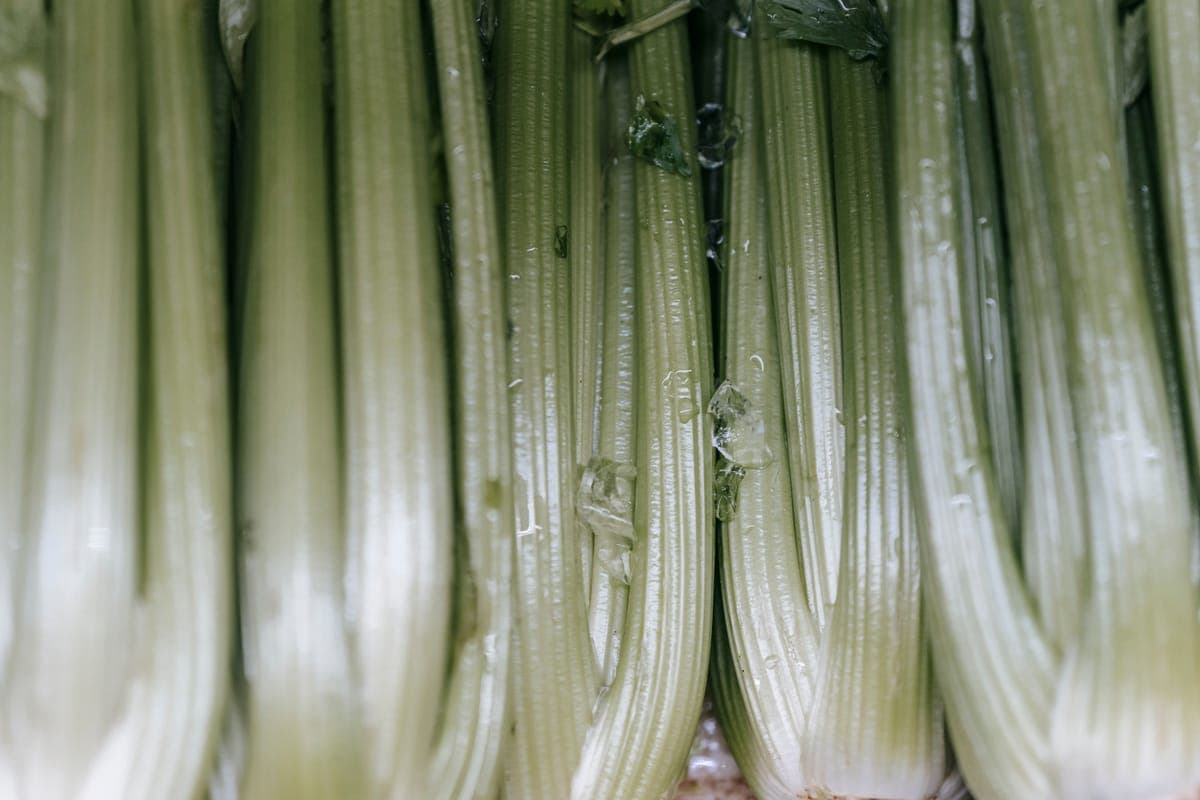
Why per-stalk celery yield figures are unreliable, and how to get a number for your own kitchen.
Roundup
Why fibrous produce jams an auger, how to prevent it, and which features actually help.

Roundup
Every published juicer warranty term on this site, read closely, because it is the only durability figure manufacturers commit to.
Roundup
What the money actually buys as you move up the price bands, and the three cases where a premium machine genuinely pays for itself.

Roundup
Six causes of a dead juicer, in the order to check them, plus what to do when it really is the motor.
Roundup
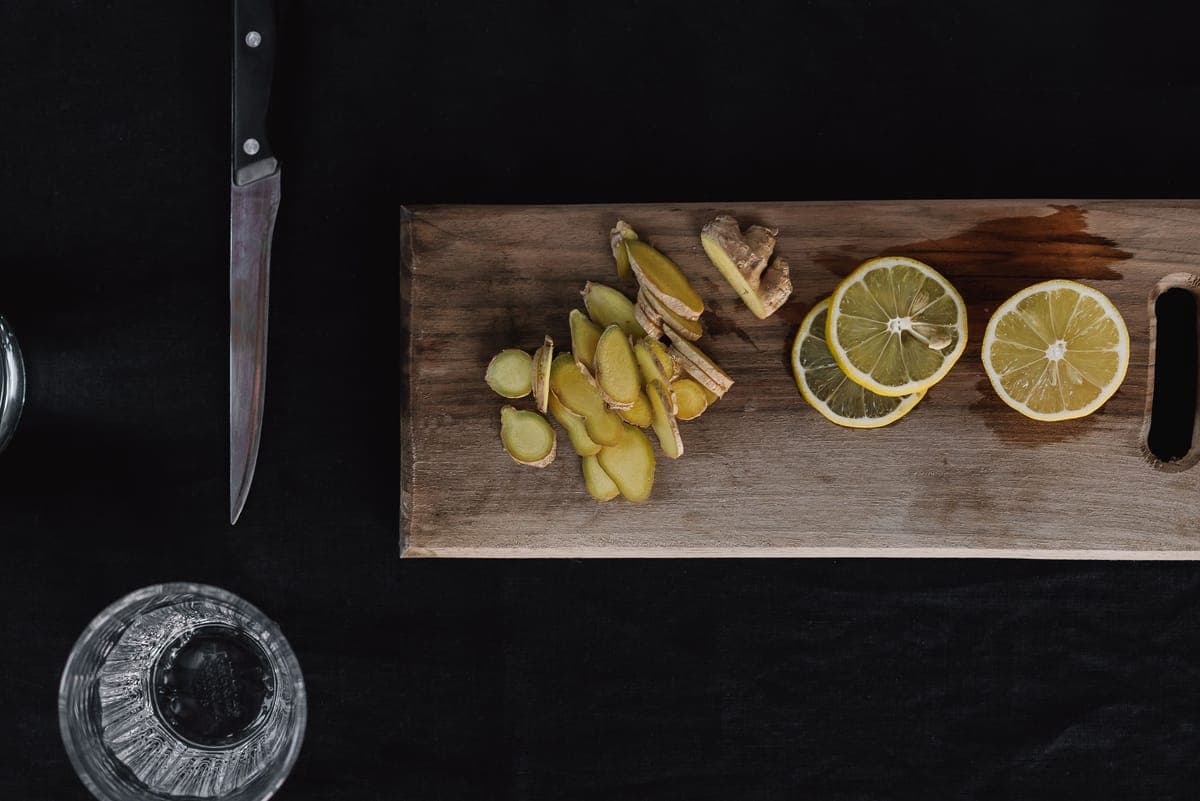
The honest answer on peeling ginger, the three exceptions that matter, and the machines that handle a fibrous root without stalling.
Roundup
Every published dishwasher-safe claim from the brands this site covers, part by part, plus the screen rule that applies to all of them.
Roundup
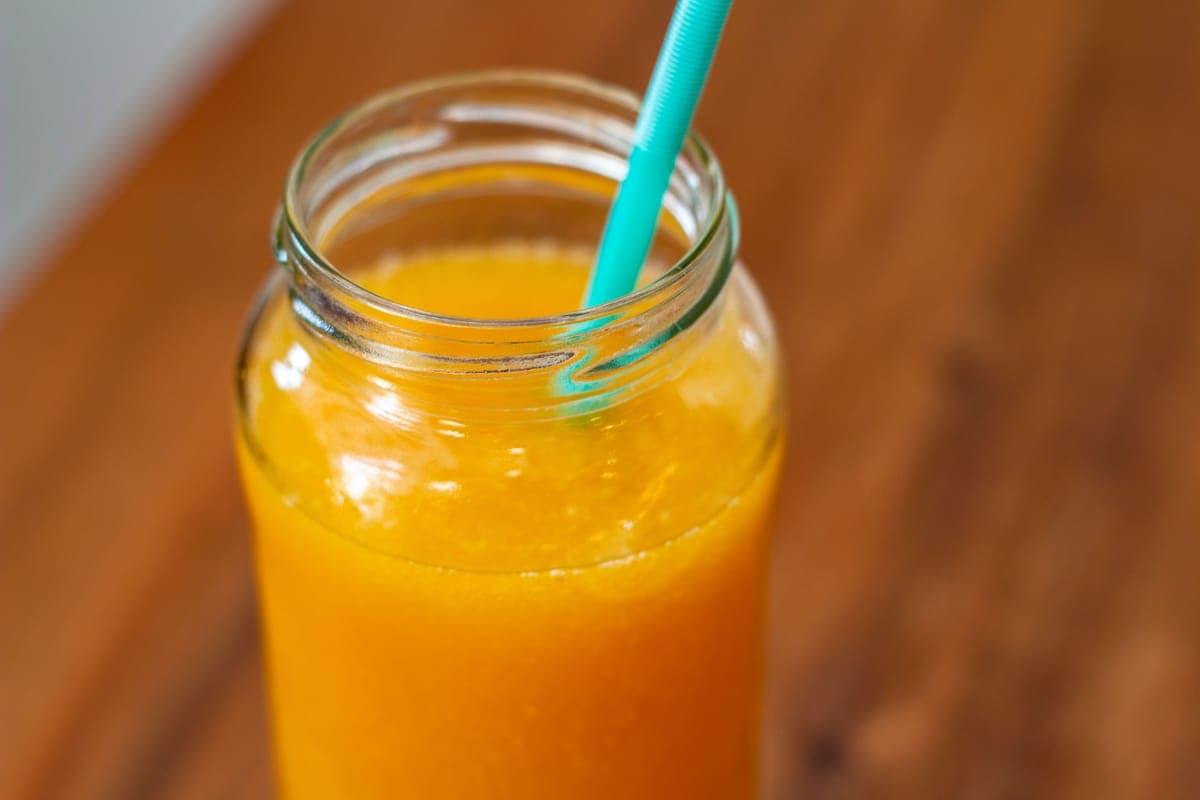
Why frozen fruit should not go straight into a juicer, how to thaw it so you keep the juice, and the machines built to extrude it instead.
Roundup
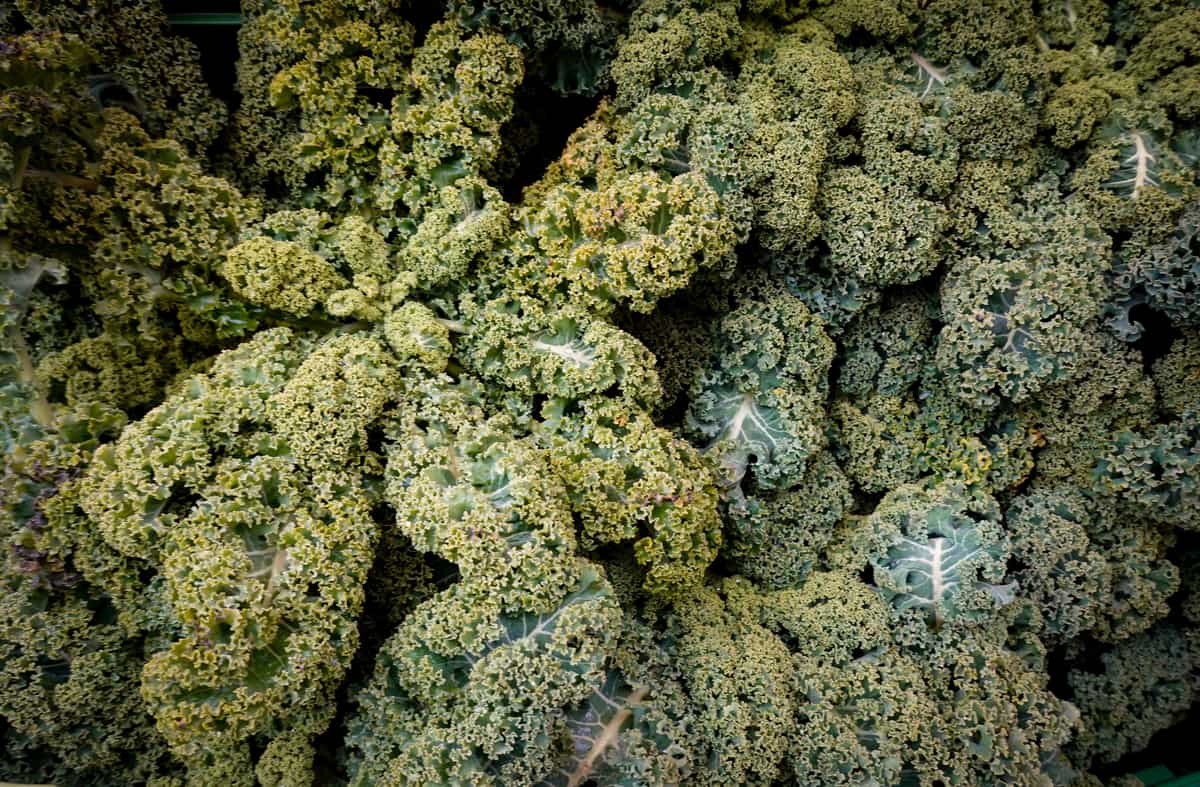
A step-by-step method for juicing kale without wasting half of it, plus why the mechanism matters more on leaves than on any other produce.
Roundup
The honest answer on pulp: no juicer keeps all of it, three machines let you choose how much, and sometimes a blender is what you actually want.
Roundup
Six causes of a loud juicer in order of likelihood, the difference between always-loud and newly-loud, and what the brands actually publish.
Roundup
Seven causes of a leaking juicer in order of likelihood, diagnosed by where the juice appears, and the seal rule that prevents most of them.
Roundup
New, marketplace, factory refurbished or secondhand -- what each channel costs you in warranty and in risk, with the brands' own policies quoted.
Roundup
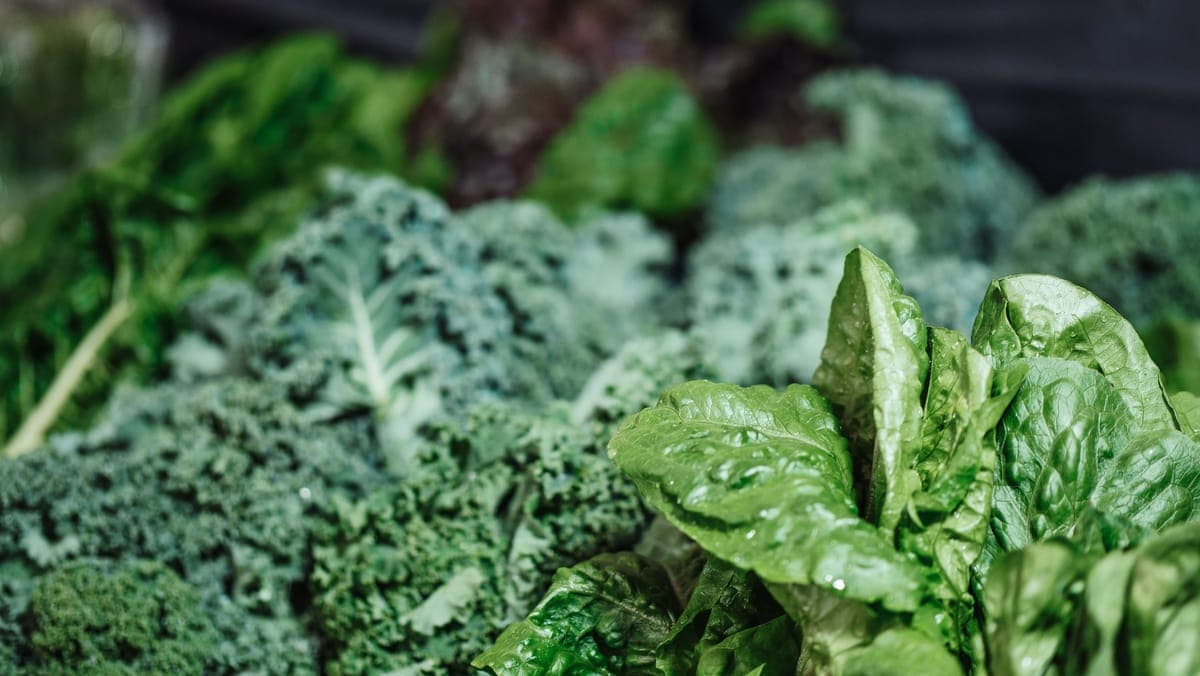
Five green juice ratios to start from, each matched to the mechanism that handles it -- plus the prep order that stops a celery jam.
Guide
A realistic four-week plan for building the habit, with what to measure in each week.
Guide
The fast cleanup routine, plus stains, vinegar, dishwasher rules and the no-time fallback.
Guide
Why skipping a cleanup makes tomorrow worse, and the minimum you can get away with.
Guide
What manufacturers claim about juice storage, and the practical rules for batching several days at once.

Guide
What oxidation observably does to juice, why machine speed affects it, and where we stop.
Guide
An honest guide to juicer pulp: which types are worth keeping, which are not, and realistic uses.
Guide
A diagnostic order for thin juice and wet pulp, from the screen outward.
Guide
Auger, masticating, slow and cold press all describe the same mechanism. What the screw actually does, and which produce needs it.

Guide
Size means capacity and it means footprint. Both are published, both get ignored, and getting either wrong is how a juicer ends up in a cupboard.

Guide
The published wattage range for every machine on this site, what the number does and does not predict, and when to pay for more of it.
Guide
Every published juicer speed from 43 RPM to 12,000 RPM, what the gap between the two groups actually does, and why differences inside a group barely matter.

Guide
Why a home apple juice machine is just a wide-chute juicer, which chutes take a 3 in apple, and what to do about browning.
Guide
A mechanical answer: insoluble fiber leaves with the pulp, some soluble fiber stays in the juice, and three machines let you decide how much.
Guide
The produce that damages a juicer, the produce that just disappoints, and the list of things people needlessly avoid.
Guide
A gearbox, a long warranty, chute engineering and low volume explain the price. Yield does not -- and three cheaper machines prove the point.
Guide
Are they the same, can you get both in one machine, and which to buy first -- answered on mechanism rather than on marketing.