
Roundup
Nama J2 vs Hurom H400
Hands-free feeding against strainer-free cleaning, at similar premium prices.
Side by side on the same four criteria every time, by someone who neither makes nor sells juicers.
By Brijon M. · Last reviewed October 2, 2026
Most of the comparison pages that rank for juicer searches are published by companies that sell juicers. That is not a conspiracy, it is just who has the budget -- but it does mean the page explaining why slow juicing is better is often hosted by a company whose entire catalog is slow juicers.
We neither manufacture nor sell juicers. We earn a commission if you buy through a link here, which is disclosed on every page and does not change the ordering -- several of our recommendations are the cheapest option in their category rather than the most expensive. That is the only independence claim we make, and it is worth exactly what it says.
The same way, deliberately. A verdict in the first paragraph, because you came here for an answer. Then a table whose rows are the four criteria -- yield, pulp, cleanup time, price band -- plus noise and speed where a figure exists. Then two blocks: choose A if, choose B if. Then the questions people actually ask.
The tables are the point. Nothing in this category publishes yield or cleanup time in comparable units, so normalizing what is published into one consistent shape, and labeling every cell with where it came from, is the work. When a cell reads "Not available" that is a finding, not a blank.
Masticating vs centrifugal is the decision that determines everything downstream -- budget, cleanup, counter space, which produce works. If you read one page in this section, read that one. Cold press vs centrifugal and slow juicer vs centrifugal are the same decision asked in different words, and we answer each in the terms the question was asked.
The second most useful comparison is not between two juicers at all. Juicer vs blender is the question to settle before you spend anything, because for a meaningful number of people the honest answer is that they want a smoothie and already own the machine that makes one.

The premium cold press market has consolidated into a handful of brands whose flagships get compared constantly: Nama, Hurom, Kuvings, Omega and Tribest. Nama J2 vs Hurom H400, Kuvings REVO830 vs Nama J2 and Hurom vs Kuvings cover the matchups people actually search.
Whether you will keep using it. That is not knowable from a spec sheet, and it is the variable that decides whether a juicer was a good purchase. The honest predictors are mundane: how long cleanup takes, whether the machine lives on the counter or in a cupboard, and whether you have to chop before you start. We weight all three heavily, and how we pick shows exactly how.
Each of these carries its own picks, the four-criteria table and a source label on every figure.
Roundup
Hands-free feeding against strainer-free cleaning, at similar premium prices.

Roundup
A dual-chute design against a hands-free hopper, both at the top of the price range.

Roundup
All three premium brands side by side: hopper, chutes and strainer-free cleaning.

Roundup
Two Omega horizontals that differ in one documented feature. Whether you need it.
Roundup
Two sub-$200 cold press machines compared on the features that actually differ.

Roundup
A fast centrifugal machine against a cold press one at the same price. The produce decides it.
Guide
The decision that constrains every other juicer choice, settled on the four criteria.
Guide
The same comparison asked in the marketing's own words, answered on the four criteria.
Guide
The short answer is that these are the same machine. Here is what actually differentiates one from another.
Guide
The same decision framed around time, which is the difference people actually notice.

Guide
Unpicking a common search: cold press is a type of juicer, and here is the comparison people actually want.
Guide
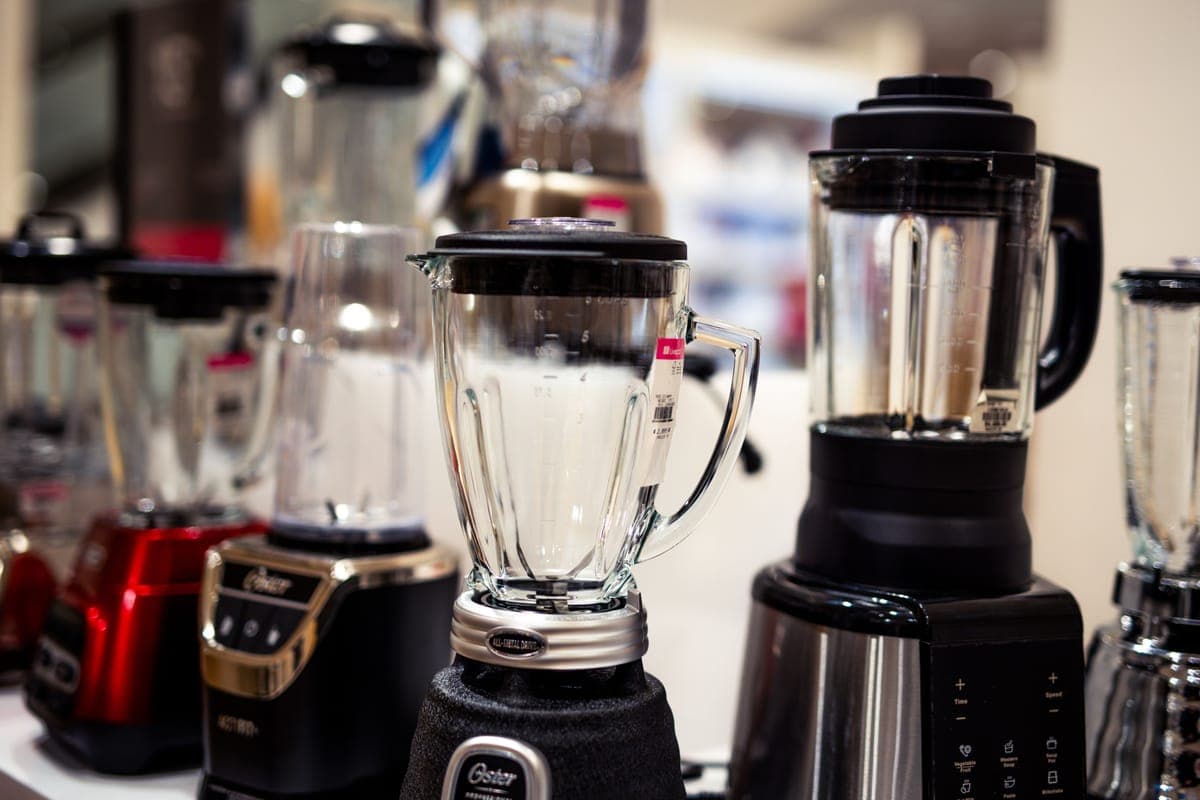
Two different drinks, not two grades of one. The cheapest question to resolve before buying.
Guide
Why a high-powered blender is still a blender, and what each machine genuinely produces.
Guide
What a food processor cannot do, and a plain explanation of the word extractor.
Guide
Two gears versus one auger: more thorough extraction, considerably more work.
Guide
Two machines with almost no overlap, and a straightforward rule for choosing.
Guide
A brand-level comparison: strainer-free cleaning against wide and auto-cut chutes.
Guide
Two hands-free verticals compared on hopper size, continuous rating and warranty.