What to Do With Juicer Pulp
Some pulp is genuinely useful. Most of it is not, and pretending otherwise just moves the waste from the bin to the freezer.
By Brijon M. · Last reviewed October 2, 2026
Every juicing session produces a bin of pulp, and there is a whole genre of content insisting all of it becomes muffins and crackers. In practice some pulp is genuinely useful, most is not, and freezing bags of it you will never use is just relocating the waste. Here is the honest version.
Which pulp is worth keeping
| Pulp | Worth keeping? | What for |
|---|---|---|
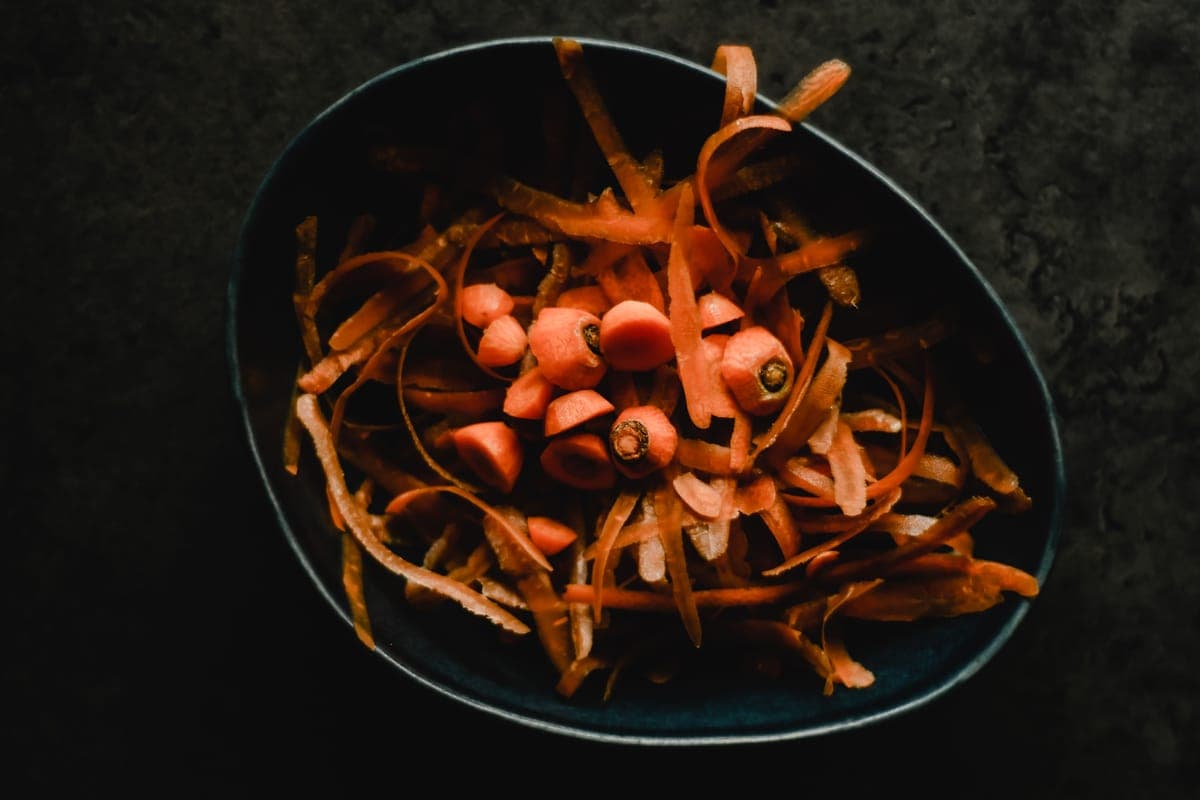
| Carrot | Yes - the most useful by a distance | Soups, fritters, muffins, bolognese bulk, slaw, dog treats. Sweet, mild, holds together |
| Beet | Yes, with caution | Burgers, brownies, color in baking. Stains everything it touches |
| Apple | Yes, briefly | Oatmeal, muffins, a quick compote. Browns fast, so use it the same day |
| Tomato | Yes | Straight into a pasta sauce or a soup base. One of the few pulps that genuinely improves a dish |
| Celery | Not really | Stock, at a push. Stringy and strongly flavored, and it ruins the texture of baked goods |
| Leafy greens | No | Almost all fiber with a strong flavor. Compost it |
| Ginger and turmeric | Small amounts | Infuse in hot water or add to a stir fry. A little goes a long way |
| Citrus | No | Pith is bitter. Compost |
| Cucumber and watermelon | No | Almost nothing left once the water has gone. Compost |
The pattern is straightforward: pulp from sweet, dense produce is useful; pulp from fibrous or watery produce is not. If you only keep carrot and tomato pulp you have captured most of the available value with none of the freezer clutter.
Three realistic uses
1. Compost
The honest default, and not a failure. Juicer pulp is excellent compost material -- already shredded, high moisture, breaks down fast. If you have a compost bin or a council food-waste collection, this is where most of your pulp should go and there is nothing wrong with that.
2. Soup and sauce bulk
The most practical kitchen use, because it does not require a recipe. A handful of carrot or tomato pulp into a soup, a bolognese or a stew adds body and fiber and nobody notices it is there. Celery pulp works in stock.
This works because you are not asking the pulp to be the dish -- you are using it as filler, which is what it is good at.
3. Fritters, which actually work
Carrot pulp, an egg, a spoon of flour, salt and pepper, fried in a pan. This is genuinely good and it is the one pulp recipe we would recommend without caveat, because the texture problem that ruins pulp baking is an advantage here -- you want something that holds together and crisps.
Why pulp baking mostly disappoints
Worth being direct, because a lot of content is enthusiastic about it. Juicer pulp is the fiber with the liquid removed, which means it is dry and stringy -- and dry stringy material in a cake or a cracker produces a dry stringy result.
It works best where moisture comes from elsewhere and texture is expected to be rustic: carrot muffins, beet brownies, oatmeal. It works badly in anything delicate. And green pulp in baking tastes like green pulp in baking.
On dog treats
A popular suggestion and one where we will be careful: we are not going to give veterinary advice. Some vegetables are genuinely unsafe for dogs and we hold no credentials to tell you which. If you want to use pulp this way, ask your vet which produce is safe for your dog, and start from there rather than from a juicing blog.
The practical rule
Keep what you will use this week. Compost the rest. A bag of frozen green pulp from three months ago is not a reduction in waste -- it is waste with an extra step and a colder storage location.
If the volume of pulp genuinely bothers you, that is a real and legitimate reason to prefer a blender, which keeps the fiber in the drink and produces no waste at all. Juicer vs blender is honest about that trade, and is a juicer worth it counts waste as one of the four real costs.
One more thing worth knowing: if your pulp comes out wet, that is juice you paid for and are throwing away. Fixing it is free -- see why your juicer is not making much juice.
Questions people ask
What can I do with juicer pulp?
Can you bake with juicer pulp?
Which juicer pulp is most useful?
Can I give juicer pulp to my dog?
Should I freeze juicer pulp?
Why is my pulp still wet?
Sources
Every figure on this page traces to one of these. Where a source does not publish a number, the page says “Not available” rather than estimating one.
- Omega NC900HDC specifications — Five adjustable pressure settings - drier pulp means less wasted juice
Read next
Juicing Guides
Eighteen practical guides covering the habit, the criteria and the things that go wrong.
Juicer Pulp, Explained
The difference between pulp in your juice and pulp dryness in the bin, and which machines control each.
Why Is My Juicer Not Making Much Juice?
A diagnostic order for thin juice and wet pulp, from the screen outward.
Juicer vs Blender
Two different drinks, not two grades of one. The cheapest question to resolve before buying.
Juicing on a Budget
How to reduce the real cost of juicing, which is the produce rather than the machine.