Juicing on a Budget
The machine is the small cost. Over a year the produce bill is bigger, and it is the one that ends habits.
By Brijon M. · Last reviewed October 2, 2026
Almost every budget-juicing guide is about finding a cheap machine. That is the wrong target. Over a year of daily juicing the produce costs more than any machine on this site, including the $800 twin gear one -- so the machine is where you can save hundreds once, and the produce is where you can save hundreds every year.
Work out your own number first
We are not going to quote you a cost per glass, because it depends on your produce, your shop and your recipe, and an invented average would be worse than no figure. What we will do is tell you how to measure it in one session:
- 1.Weigh the produce for one glass. Note what you paid per pound.
- 2.Multiply out: per glass, per week, per year.
- 3.Compare that against the machine price. For most people the annual produce figure is several times the machine.
That number is the single most useful thing you can know before committing to a daily habit. How much celery one cup takes walks through it with the produce that surprises people most.
Eight ways to cut the produce bill
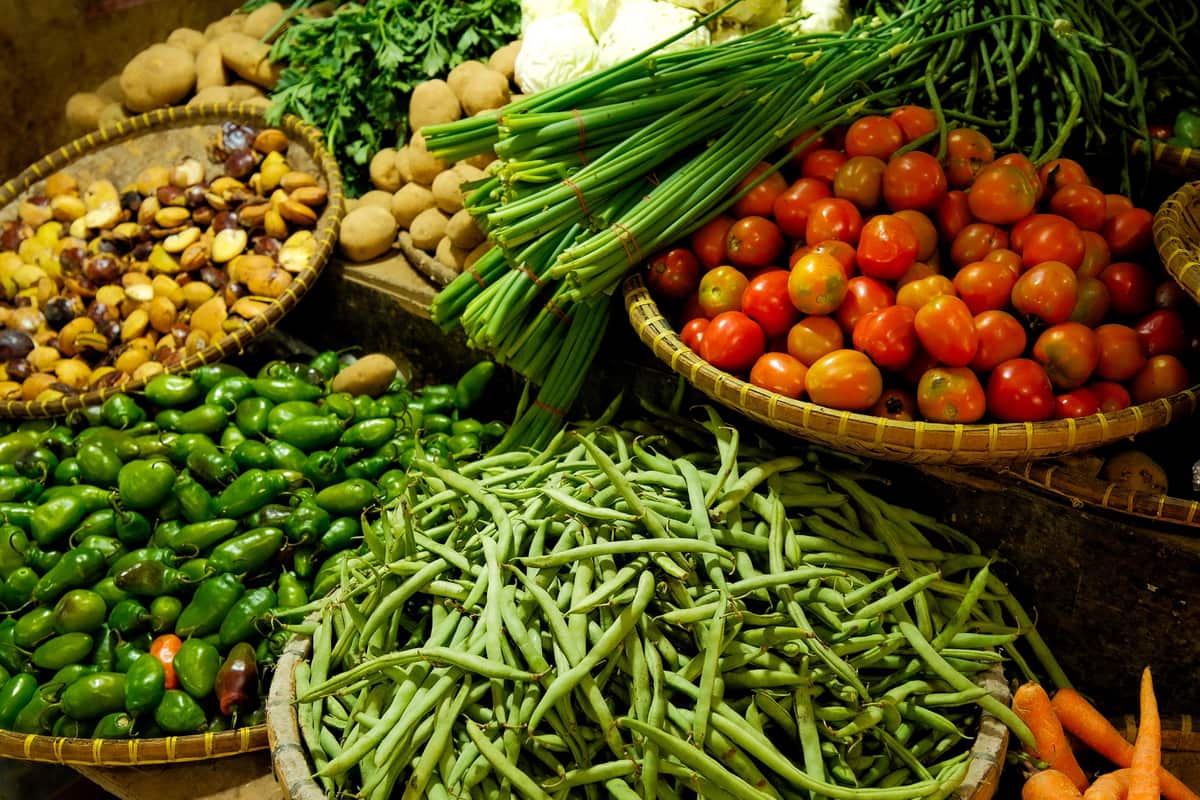
- 1.Use cheap bulk as the base. Cucumber and carrot give a lot of liquid per dollar. Celery and leafy greens give the least. A glass that is mostly cucumber with a handful of greens costs a fraction of one that is all celery, and it still tastes green.
- 2.Buy whatever is in season and cheap, then adapt. Treat juicing recipes as suggestions. A juicer does not care which apple variety it gets.
- 3.Stop losing yield to technique. Wet pulp is produce you paid for and binned. Feeding more slowly, cutting smaller, clearing the screen mid-session and running very wet pulp through once are all free. Why your juicer is not making much juice.
- 4.Juice the parts you would discard. Carrot tops, beet greens, broccoli stems, celery leaves, watermelon rind. Free volume you already own. See juicers for watermelon.
- 5.Batch, and reduce frequency. Three sessions a week sustained beats seven abandoned, and batching means fewer prep-and-cleanup cycles. How long fresh juice lasts.
- 6.Use the pulp. Carrot pulp is the most genuinely useful. What to do with juicer pulp is honest about which pulp is worth keeping and which is not.
- 7.Buy produce at the end of the day. Reduced vegetables that are slightly soft are perfect for juicing -- you are not serving them whole. Overripe tomatoes are actively better.
- 8.Dilute less, not more. Juice tastes stronger than you expect and a smaller glass is often enough. Nobody needs 24 oz of celery juice to have had a glass of celery juice.
On the machine, briefly
Spend the minimum that gets you the right mechanism, because that is the thing you cannot work around:
| If you want | Minimum sensible spend | Why |
|---|---|---|
| Celery and leafy greens | Under $100 for AMZCHEF's masticating machine, or $100-200 for a better-built one | A cheap centrifugal machine cannot do this produce at any price |
| Apples, carrots, beets, peeled citrus | Well under $100 | Hamilton Beach's 800 W and 3 in chute with a 3-year warranty is genuinely enough |
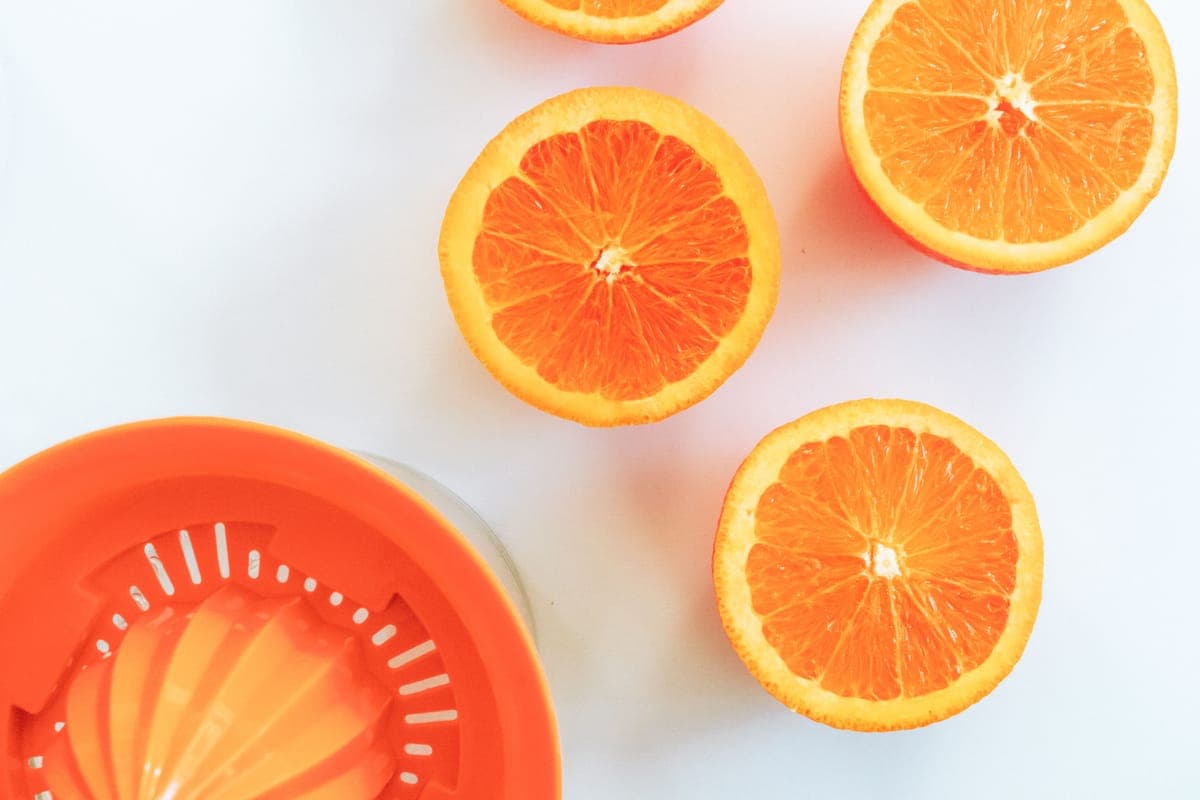
| Citrus only | Very little | A hand squeezer or a reamer does it better than any general machine |
| A machine to keep for a decade | $200-300 | That is where Omega's 15-year warranties start |
What not to do on a budget: buy the cheapest centrifugal machine for celery juice. It is the most common expensive mistake in this category, because the low price looks like low risk and the outcome is a machine that cannot do the job plus a second purchase. Best juicers under $100.
The honest alternative
If the produce cost genuinely does not work, a blender is the cheaper way to drink vegetables: you get more drink from the same ingredients because nothing is removed, there is no waste, and you may already own one. It makes a different drink -- thick and filling rather than thin and light -- and that is a real difference rather than a compromise.
Juicer vs blender is an honest comparison and we have no stake in which you choose. Is a juicer worth it covers the whole cost picture.
Where the money goes furthest
1. Cheapest real cold press
AMZCHEF ZM1501
AMZCHEF ZM1501 · Under $100 · Our score 7.1/10
Masticating mechanics under $100, which means you can juice greens and celery on a budget rather than being pushed toward a centrifugal machine that cannot. AMZCHEF states 90 RPM, 150 W, a reverse function and under 60 decibels. Light build, and warranty terms differ between the brand store and third-party listings.
- Yield
- AMZCHEF markets seven spiral masticators for maximum yield; no numeric figure is publishedManufacturer claim: AMZCHEF · checked 2026-10-02
- Pulp
- Not availableNot sourced
- Cleanup time
- Not available - no published cleanup time in minutesNot sourced
- Speed
- AMZCHEF states 90 RPM, 150 W, with a reverse functionManufacturer claim: AMZCHEF · checked 2026-10-02
What works
- Masticating mechanics under $100
- One of very few machines at any price that publishes a decibel figure
- Reverse function for clearing jams
What does not
- Warranty terms differ between the brand store and third-party listings - read the one you buy from
- Small chute, so prep is heavy
- No yield or cleanup figure published
Skip this if: You expect premium build. At this price the warranty is short and the parts are light - treat it as a trial machine.

Representative photo. We have no manufacturer image library, so this is a licensed stock photo of the category, not a photo of this unit.
- Yield7/10
- Pulp7/10
- Cleanup6/10
- Value9/10
- Quiet9/10
2. Best value if greens are not the plan
Hamilton Beach Big Mouth Juice Extractor
Hamilton Beach 67601A · Under $100 · Our score 6.7/10
Hamilton Beach states 800 W, a 3 in chute, dishwasher-safe parts and a 3-year limited warranty for under $100 -- longer cover than Breville offers at four times the price. Centrifugal, so celery and kale are out, and it is loud.
- Yield
- Not availableNot sourced
- Pulp
- Not availableNot sourced
- Cleanup time
- Hamilton Beach states the food pusher, cover, strainer, pulp bin and strainer bowl are dishwasher safeManufacturer claim: Hamilton Beach · checked 2026-10-02
- Speed
- Hamilton Beach states an 800 W motor; no RPM publishedManufacturer claim: Hamilton Beach · checked 2026-10-02
What works
- 3-year warranty, which is unusual under $100
- Every part that touches juice is dishwasher safe, per Hamilton Beach
- 3 in chute at a budget price
What does not
- Centrifugal, so it is poor at celery and greens
- No RPM published
- Loud, as all high-speed spinning juicers are
Skip this if: Celery juice is the plan. This is the wrong mechanism for it at any price.
Representative photo. We have no manufacturer image library, so this is a licensed stock photo of the category, not a photo of this unit.
- Yield6/10
- Pulp5/10
- Cleanup8/10
- Value9/10
- Quiet4/10
Read the full Hamilton Beach Big Mouth Juice Extractor review
3. Best long-term value
Omega J8006HDS
Omega J8006HDS · $200–400 · Our score 7.9/10
If you already know juicing is a habit, this is where the money goes furthest: Omega states 80 RPM, a triple-stage auger and a 15-year limited warranty, the cheapest machine we cover with that cover. Divide price by years and nothing else competes. Counter depth and prep chopping are the costs.
- Yield
- Omega markets high juice yield; no numeric figure is publishedManufacturer claim: Omega Juicers · checked 2026-10-02
- Pulp
- Not availableNot sourced
- Cleanup time
- Not available - no published cleanup time in minutesNot sourced
- Speed
- Omega states 80 RPM, 200 W, triple-stage augerManufacturer claim: Omega Juicers · checked 2026-10-02
What works
- 15-year warranty at a mid-range price
- A horizontal auger handles stringy celery and greens well
- Doubles as a nut-butter, pasta and sorbet extruder
What does not
- Narrow chute means constant prep chopping
- Takes significant counter depth
- Omega publishes no yield or cleanup figure to compare
Skip this if: You juice mostly whole apples and oranges. You will spend your life chopping to fit a narrow horizontal chute.
Representative photo. We have no manufacturer image library, so this is a licensed stock photo of the category, not a photo of this unit.
- Yield9/10
- Pulp8/10
- Cleanup6/10
- Value9/10
- Quiet8/10
Questions people ask
What is the cheapest way to juice?
How much does juicing cost per glass?
What is the best budget juicer?
Which produce is cheapest to juice?
Is a blender cheaper than a juicer to run?
Sources
Every figure on this page traces to one of these. Where a source does not publish a number, the page says “Not available” rather than estimating one.
- AMZCHEF ZM1501 — 90 RPM, 150 W, reverse function, under 60 dB claim
- Hamilton Beach Big Mouth 67601A — 800 W, 3 in chute, dishwasher-safe parts, 3-year limited warranty
- Omega J8006 specifications — 80 RPM, triple-stage auger, 15-year limited warranty
Read next
Juicing Guides
Eighteen practical guides covering the habit, the criteria and the things that go wrong.
The Best Juicers Under $100
Four machines under $100, including the one cold press option, with a clear account of the compromises.
Is a Juicer Worth It?
The real costs of juicing, and four situations where the honest answer is that it is not worth it.
How Much Celery for One Cup of Juice?
Why per-stalk celery yield figures are unreliable, and how to get a number for your own kitchen.
The Best Value Juicers
Where each price band stops paying for itself, with the four machines that sit at the sweet spots.