Are Expensive Juicers Worth It?
Above roughly $400 you stop buying juice and start buying convenience and warranty. Whether that is worth it depends on one thing about you.
By Brijon M. · Last reviewed October 5, 2026
Up to about $200 you are buying the mechanism, and that is the money that changes what is in the glass. Above about $400 you are buying convenience, capacity and warranty, and no manufacturer publishes a yield figure showing you get more juice. So the expensive machines are worth it for a specific buyer -- someone juicing most days whose habit is at risk from friction -- and are not worth it for everybody else.
What each band actually buys
This site uses price bands rather than figures, because a price we remembered would be wrong within a week. Here is what changes as you move up them.
| Band | What you get | What you do not get |
|---|---|---|
| Under $100 | A working centrifugal machine. Wide chutes (3 in), high wattage, fast. Hamilton Beach gives 3 years of cover, Mueller and BLACK+DECKER 2. | Celery and leafy greens. Quiet. Dry pulp. One auger machine exists here -- the AMZCHEF ZM1501. |
| $100-200 | The mechanism that matters: a real cold press auger. Nutribullet at 65 RPM, Cuisinart's mesh-free filter, Ninja's two pulp filters. | Long warranties -- mostly 1 to 3 years. Wide chutes. Capacity: 24 oz catch cups are normal. |
| $200-400 | Long cover and better geometry. Omega's horizontals at 80 RPM with 15-year limited warranties; Breville's Cold XL at 1200 W and 70 fl oz. | Hands-free feeding. Wide cold press chutes. Low part counts -- Omega horizontals have the most parts here. |
| $400+ | Convenience and capacity. Hands-free hoppers, 3.5 in chutes, auto-cut chutes, 45-minute duty cycles, strainer-free cleaning, 15-year terms. | A published yield advantage. Not one machine in this band publishes a figure showing it extracts more. |
The three things the money genuinely buys
- 1.Time you do not spend at the machine. Nama's hopper and Kuvings' 100 oz AUTO10 hopper are real: you load and leave rather than feeding a tube piece by piece. Nothing under $200 does this.
- 2.Prep you do not do. Kuvings states a 3.5 in chute plus a 1.75 in auto-cut chute on the REVO830. A wide cold press chute does not exist below the premium band, and the difference over a year is many hours of chopping.
- 3.Washing you do not do. Hurom removed the mesh strainer entirely on the Easy Clean line. This is the one premium feature with a cheaper equivalent, though -- Cuisinart's mesh-free filter at $100-200 is the same structural idea.
Notice what all three are: friction. They are worth money in direct proportion to how often you juice, which is why the honest answer to this question is a question back -- how many mornings a week?
When an expensive juicer is worth it
- You juice most days and have already quit once. If cleanup or prep ended a previous habit, buying the friction away is the rational purchase and the cheapest machine is a false economy. Best juicers for daily use is built for exactly this buyer.
- You juice for a household. Capacity is the one premium specification that is published and verifiable -- Kuvings' 100 oz hopper and 45-minute duty cycle, Breville's 70 fl oz. Best juicers for families covers it.
- You want one machine for a decade. Fifteen-year terms exist only on auger machines, and mostly above $200. Though note the cheapest route in is Omega's J8006HDS at $200-400, not a $500 vertical -- see how long a juicer lasts.
When it is not
- You have not established the habit yet. The cheapest way to learn whether you will juice is a cheap machine. AMZCHEF's ZM1501 is an auger machine in the under-$100 band, which means you can test the mechanism rather than only the idea.
- You juice once or twice a week. At that frequency friction is an annoyance, not a habit-killer, and the premium features save minutes you were not going to lose.
- You mainly juice citrus. A lever press does oranges and lemons better than any cold press, for less. Is a citrus juicer worth it answers that separately.
- You are buying on a yield claim. There is no published figure behind it, from any brand, at any price.
The picks in full
1. Cheapest real cold press
Nutribullet Slow Juicer
Nutribullet NBJ50300 · $100–200 · Our score 7.4/10
The honest entry point into the mechanism that matters, and the pick that answers most of this page. Nutribullet states 65 RPM, 150 W, a reverse function, and assembled dimensions of 17 in high by 6.25 in wide by 7 in deep -- the smallest real cold press footprint on this site. It is an auger machine, so it does celery and greens properly, which no cheap centrifugal machine does at any price. Two honest limits: the 24 oz catch cup means stopping mid-session if you juice for more than one, and Nutribullet covers it for 1 year.
- Yield
- Not availableNot sourced
- Pulp
- Not availableNot sourced
- Cleanup time
- Not available - no published cleanup time in minutesNot sourced
- Speed
- Nutribullet states 65 RPM, 150 W, with a reverse functionManufacturer claim: Nutribullet · checked 2026-10-02
What works
- Cold press mechanics at a centrifugal-adjacent price
- Reverse function, which is how you clear a celery jam
- Small footprint at 17 in tall and 6.25 in wide
What does not
- 1-year warranty against 15 years on the premium verticals
- 24 oz catch cup forces breaks on bigger batches
- No published yield, pulp or cleanup figures
Skip this if: You juice for more than one person. A 24 oz container means stopping and emptying mid-session.
Representative photo. We have no manufacturer image library, so this is a licensed stock photo of the category, not a photo of this unit.
- Yield7/10
- Pulp7/10
- Cleanup7/10
- Value9/10
- Quiet8/10
2. Premium feature at a mid price
Cuisinart Easy Clean Slow Juicer
Cuisinart CSJ-300 · $100–200 · Our score 7.7/10
The clearest case against spending more. Cuisinart states a mesh-free easy-clean filter -- structurally the same idea as Hurom's strainer-free Easy Clean design that costs several times as much -- at 200 W, with a limited 3-year warranty. If cleanup is the reason you were considering a premium machine, this gets you most of the way there. What you give up is knowing what you bought: Cuisinart publishes no RPM for this model anywhere we could find.
- Yield
- Not availableNot sourced
- Pulp
- Cuisinart states a mesh-free easy-clean filterManufacturer claim: Cuisinart · checked 2026-10-02
- Cleanup time
- Marketed as easy clean on the strength of the mesh-free filter; no cleanup time publishedManufacturer claim: Cuisinart · checked 2026-10-02
- Speed
- Not available - Cuisinart publishes 200 W but no RPM for this modelNot sourced
What works
- No mesh screen, so the part most people hate washing is simply absent
- 3-year warranty, triple what Ninja and Nutribullet quote
- 1.5 L capacity is generous for the price
What does not
- Cuisinart publishes no RPM, so you cannot compare its speed to anything
- No yield figure of any kind
- Mesh-free filters generally trade some fine extraction for easier washing
Skip this if: You want a published speed figure before you buy. Cuisinart does not state an RPM for this model anywhere we could find.
Representative photo. We have no manufacturer image library, so this is a licensed stock photo of the category, not a photo of this unit.
- Yield7/10
- Pulp7/10
- Cleanup9/10
- Value8/10
- Quiet7/10
3. Where spending more starts paying
Omega J8006HDS
Omega J8006HDS · $200–400 · Our score 7.9/10
The machine that makes the strongest case for going mid-range rather than budget or premium. Omega states 80 RPM, 200 W, a triple-stage auger and a 15-year limited warranty in the $200-400 band -- the same term Omega puts on machines costing twice as much. Horizontal geometry also suits celery and greens better than any vertical. The costs are real: a narrow chute means chopping every morning, and there are more parts to wash than on any vertical here.
- Yield
- Omega markets high juice yield; no numeric figure is publishedManufacturer claim: Omega Juicers · checked 2026-10-02
- Pulp
- Not availableNot sourced
- Cleanup time
- Not available - no published cleanup time in minutesNot sourced
- Speed
- Omega states 80 RPM, 200 W, triple-stage augerManufacturer claim: Omega Juicers · checked 2026-10-02
What works
- 15-year warranty at a mid-range price
- A horizontal auger handles stringy celery and greens well
- Doubles as a nut-butter, pasta and sorbet extruder
What does not
- Narrow chute means constant prep chopping
- Takes significant counter depth
- Omega publishes no yield or cleanup figure to compare
Skip this if: You juice mostly whole apples and oranges. You will spend your life chopping to fit a narrow horizontal chute.
Representative photo. We have no manufacturer image library, so this is a licensed stock photo of the category, not a photo of this unit.
- Yield9/10
- Pulp8/10
- Cleanup6/10
- Value9/10
- Quiet8/10
4. What $400+ actually buys
Kuvings AUTO10 Hands-Free
Kuvings AUTO10 · $400+ · Our score 7.7/10
Included so you can see precisely what the premium band is selling, which is not juice. Kuvings states a 100 oz hands-free hopper, a motor rated for up to 45 minutes continuous -- the longest published continuous figure on this site -- at 50 RPM and 240 W, with a 15-year warranty. Every one of those is a convenience or a capacity figure. None is a yield figure, because Kuvings does not publish one. Skip it if you make one 16 oz glass a day: a 100 oz hopper is dead weight and dead counter space.
- Yield
- Not availableNot sourced
- Pulp
- Not availableNot sourced
- Cleanup time
- Not available - no published cleanup time in minutesNot sourced
- Speed
- Kuvings states 50 RPM, 240 W, continuous running up to 45 minutesManufacturer claim: Kuvings USA · checked 2026-10-02
What works
- Largest published hopper of any machine here at 100 oz
- Rated for 45 minutes continuous, which matters when you batch
- Hands-free feeding frees you from standing at the machine
What does not
- Expensive, and the hopper is wasted on single-glass juicing
- A bigger hopper is more surface to wash, not less
- No published cleanup time or yield figure
Skip this if: You make one 16 oz glass a day. A 100 oz hopper is dead weight and dead counter space at that volume.
Representative photo. We have no manufacturer image library, so this is a licensed stock photo of the category, not a photo of this unit.
- Yield9/10
- Pulp8/10
- Cleanup7/10
- Value6/10
- Quiet8/10
The cost nobody puts on the price tag
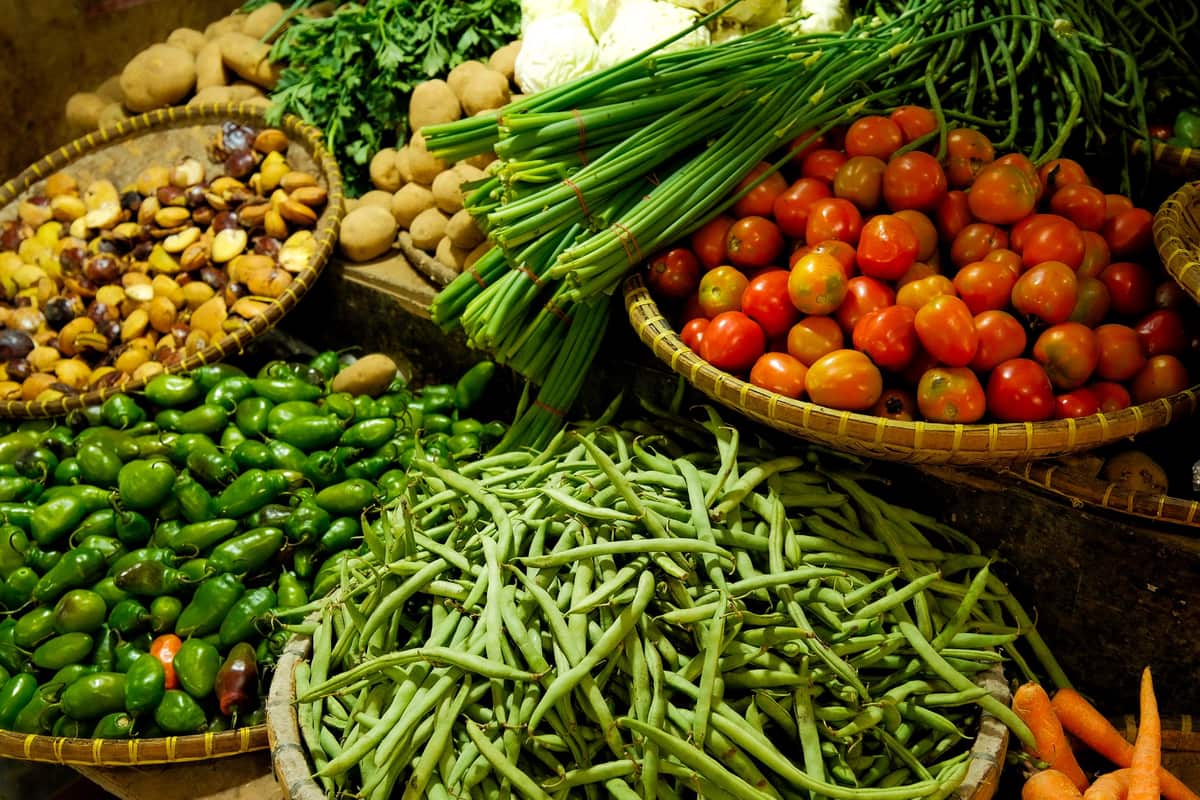
Produce. A daily juice habit consumes a serious weekly volume of vegetables, and within a year that spend exceeds the difference between a $90 juicer and a $500 one. This cuts both ways: it means the machine choice is less financially important than it feels, and it means a cheap machine with poor yield is costing you money every morning in produce you throw away wet. Is a juicer worth it works through the total cost, and juicing on a budget deals with the produce bill directly.
Questions people ask
Are expensive juicers worth it?
Do expensive juicers produce more juice?
What is the cheapest juicer that is actually good?
Is a $500 juicer better than a $100 one?
Should I buy a cheap juicer first to see if I like juicing?
Sources
Every figure on this page traces to one of these. Where a source does not publish a number, the page says “Not available” rather than estimating one.
- Nutribullet Slow Juicer — 65 RPM, 150 W, 17 x 6.25 x 7 in, 24 oz cup, 1-year warranty
- Cuisinart Easy Clean Slow Juicer CSJ-300 — Mesh-free filter, 200 W, 3-year limited warranty, no RPM published
- Omega J8006HDS — 80 RPM, triple-stage auger, 15-year limited warranty
- Kuvings AUTO10 Hands-Free — 100 oz hopper, up to 45 minutes continuous, 15-year warranty
- Nama J2 — The only published per-batch volume on this site: 20-30 oz
- AMZCHEF ZM1501 — 90 RPM auger machine in the under-$100 band, reverse function
Read next
Is a Juicer Worth It?
The real costs of juicing, and four situations where the honest answer is that it is not worth it.
How Long Does a Juicer Last?
Every published juicer warranty term on this site, read closely, because it is the only durability figure manufacturers commit to.
Juicing on a Budget
How to reduce the real cost of juicing, which is the produce rather than the machine.
The Best Value Juicers
Where each price band stops paying for itself, with the four machines that sit at the sweet spots.
The Best Juicers Under $100
Four machines under $100, including the one cold press option, with a clear account of the compromises.