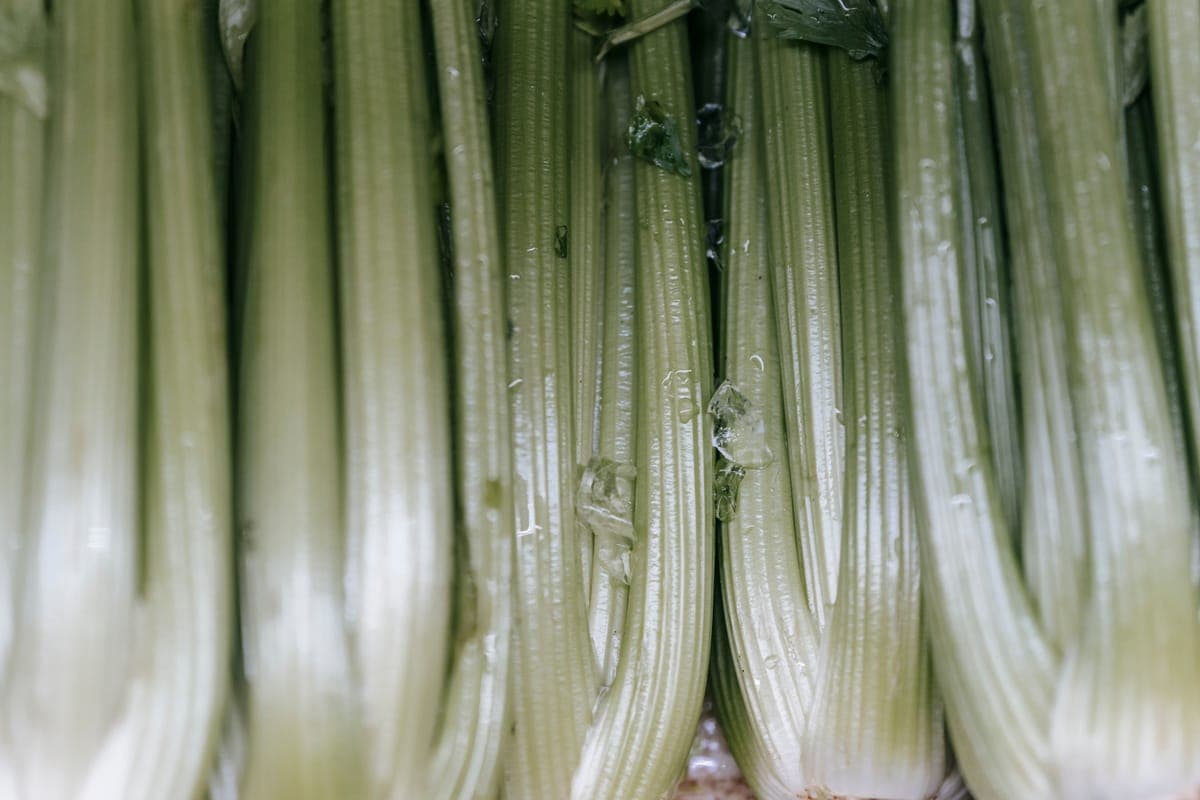
Best for Celery
The Best Juicers for Celery
Four machines for celery, chosen around the clogging problem that defines this produce.
The most useful way to narrow the field: start from what is going into the machine, not from the spec sheet.
By Brijon M. · Last reviewed October 2, 2026
Nobody buys a juicer in the abstract. They buy it because they have decided to drink celery juice every morning, or because there is a bag of kale going soft in the fridge, or because a ginger shot costs seven dollars at the cafe. This section is organized the way the decision actually happens.
It is also the fastest way to avoid the common expensive mistake. Produce sorts into a small number of mechanical categories, and once you know which category your produce is in, most of the machine decision is made for you.
| Produce group | Examples | What it needs | Where to start |
|---|---|---|---|
| Long fiber | Celery, kale, chard, wheatgrass, herbs, romaine | An auger that drags and crushes fiber. A spinning basket rides over it. | Cold press |
| Hard and dense | Carrots, beets, apples, firm pears, ginger, turmeric | Torque. Both mechanisms work; a wide chute saves real prep time. | Centrifugal or cold press |
| Soft and watery | Tomatoes, watermelon, cucumber, grapes, peeled citrus | Gentle handling. Too much speed turns these to froth and sludge. | Cold press |
| Seeded or segmented | Pomegranate, oranges, grapefruit, lemons | Pressure, not cutting. A press or a slow auger, depending on the fruit. | Citrus |
If your shopping list spans groups -- and most people's does -- weight the decision toward the hardest group on the list. A machine that handles celery will handle an apple. A machine that handles apples will not handle celery.
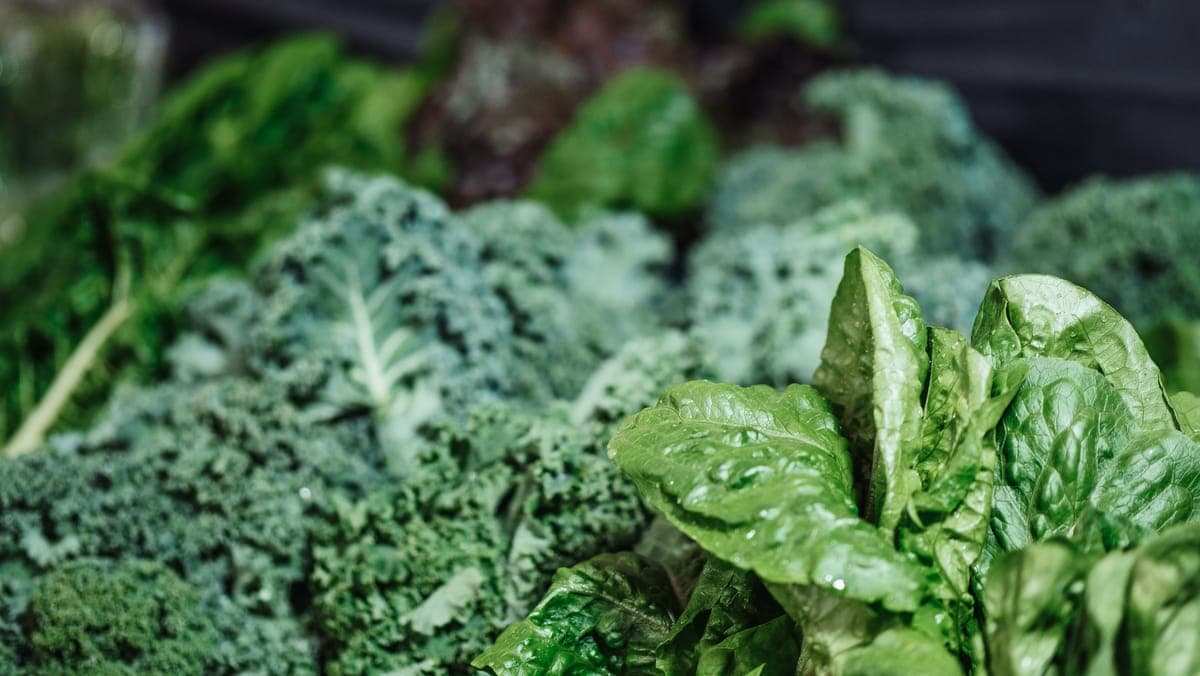
This is the celery question, and it is also the kale, chard and wheatgrass question. Long fiber wraps an auger or rides a basket. The features that genuinely help are a reverse function -- Nutribullet and AMZCHEF both state one -- and a narrow chute that forces produce into the auger in a controlled way, which is exactly what Kuvings' 1.75 in auto-cut chute on the REVO830 is for. See juicer clogging fixes.
A 3 in chute takes a whole apple. A 1.5 in chute takes an apple in quarters. Over a daily habit that is the single biggest time difference between two machines, and it is published on almost every product page, unlike yield. If you juice hard fruit, chute width is a more honest buying criterion than wattage.
More than people expect, especially for leafy greens and celery, and that is a running-cost question rather than a machine question. How much celery it takes for one cup of juice covers the arithmetic, and juicing on a budget covers what to do about it.
The tiles below cover fifteen specific produce items. Each one names the mechanism that suits it, the machines that fit, what clogs, and what a realistic glass takes. If you are still choosing between types rather than models, masticating vs centrifugal is the page to read first.
Each of these carries its own picks, the four-criteria table and a source label on every figure.
Best for Celery
Four machines for celery, chosen around the clogging problem that defines this produce.
Best for Greens
Four machines for kale, chard, spinach and green juice, with the technique that doubles your yield.
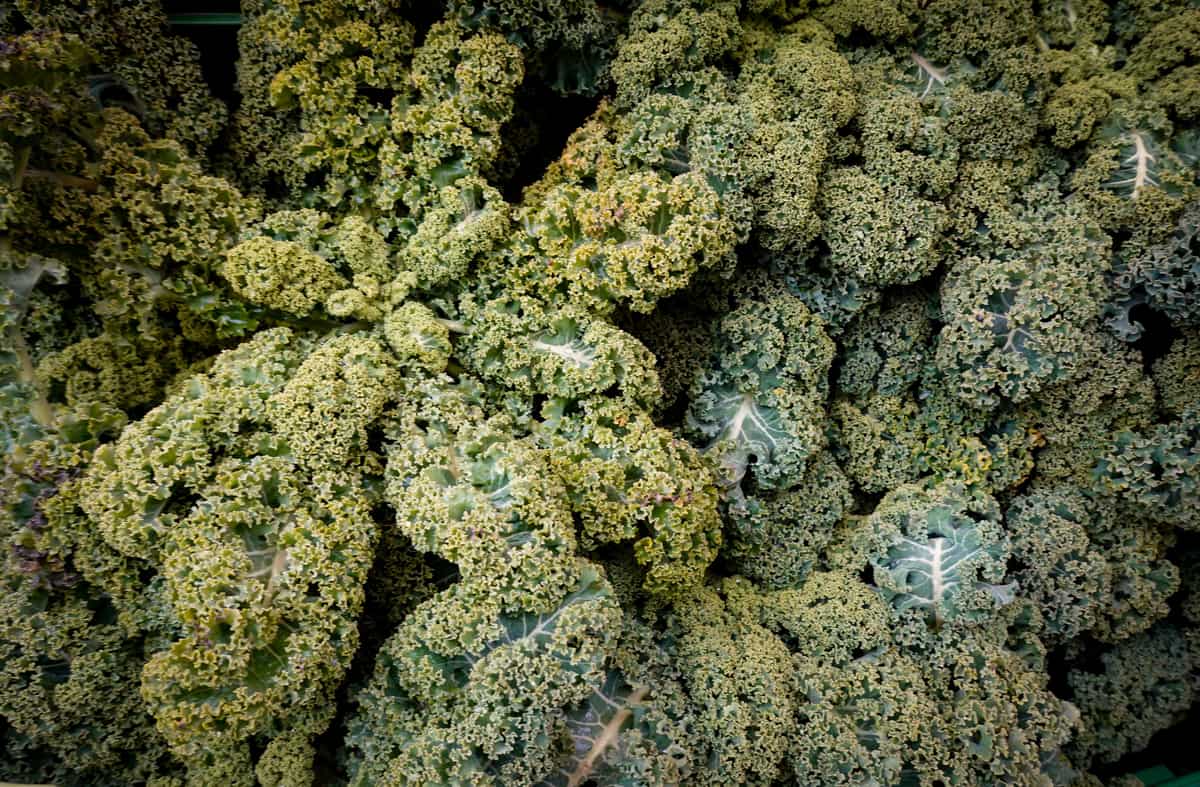
Best for Kale
Why kale and spinach behave differently in the same machine, and the four juicers that handle both.
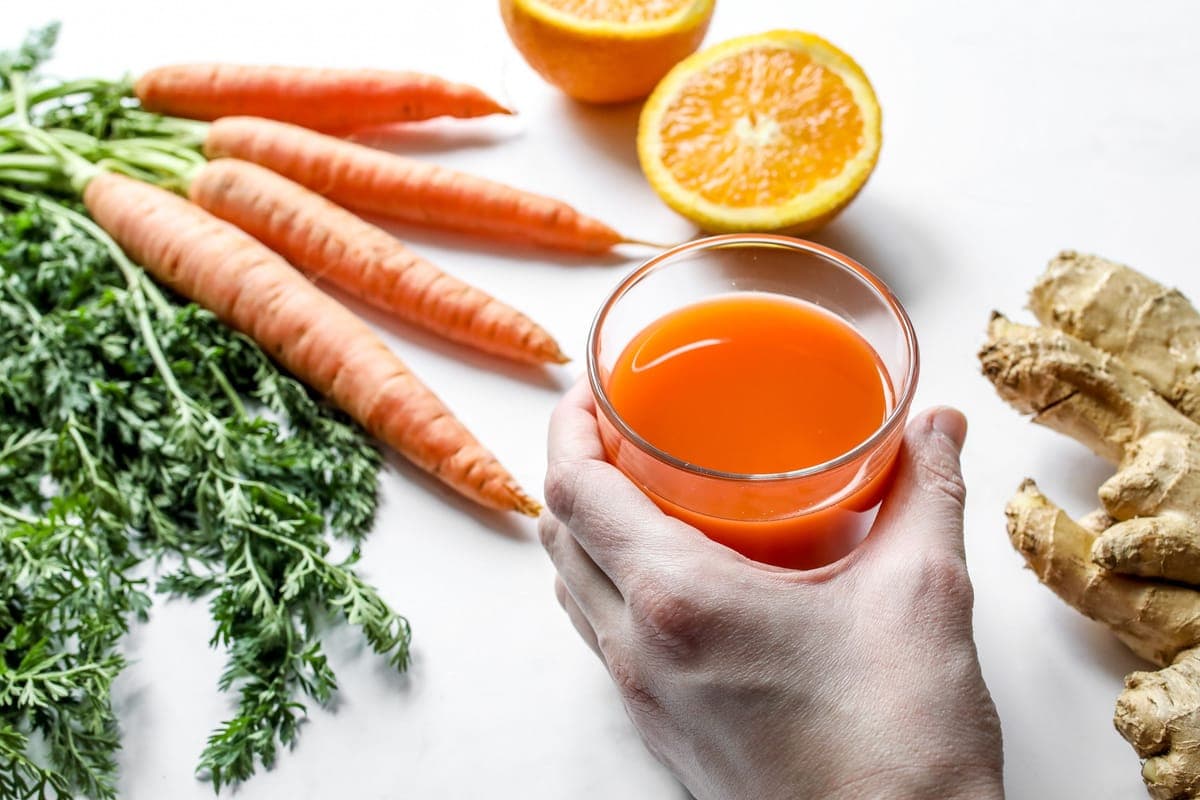
Best for Carrots
Four machines for carrots and beets, where the choice is about speed and prep rather than mechanism.
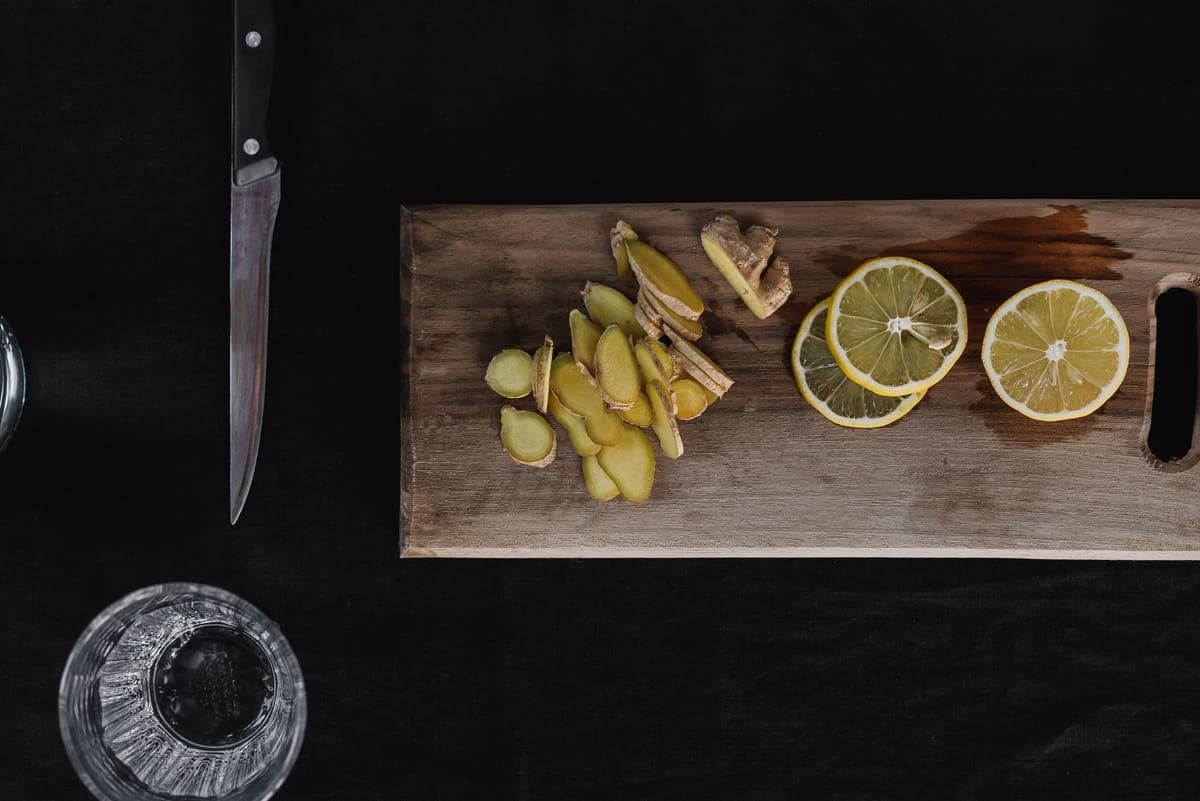
Best for Ginger
Four machines for ginger root, plus the trick that stops a small hard knob stalling an auger.
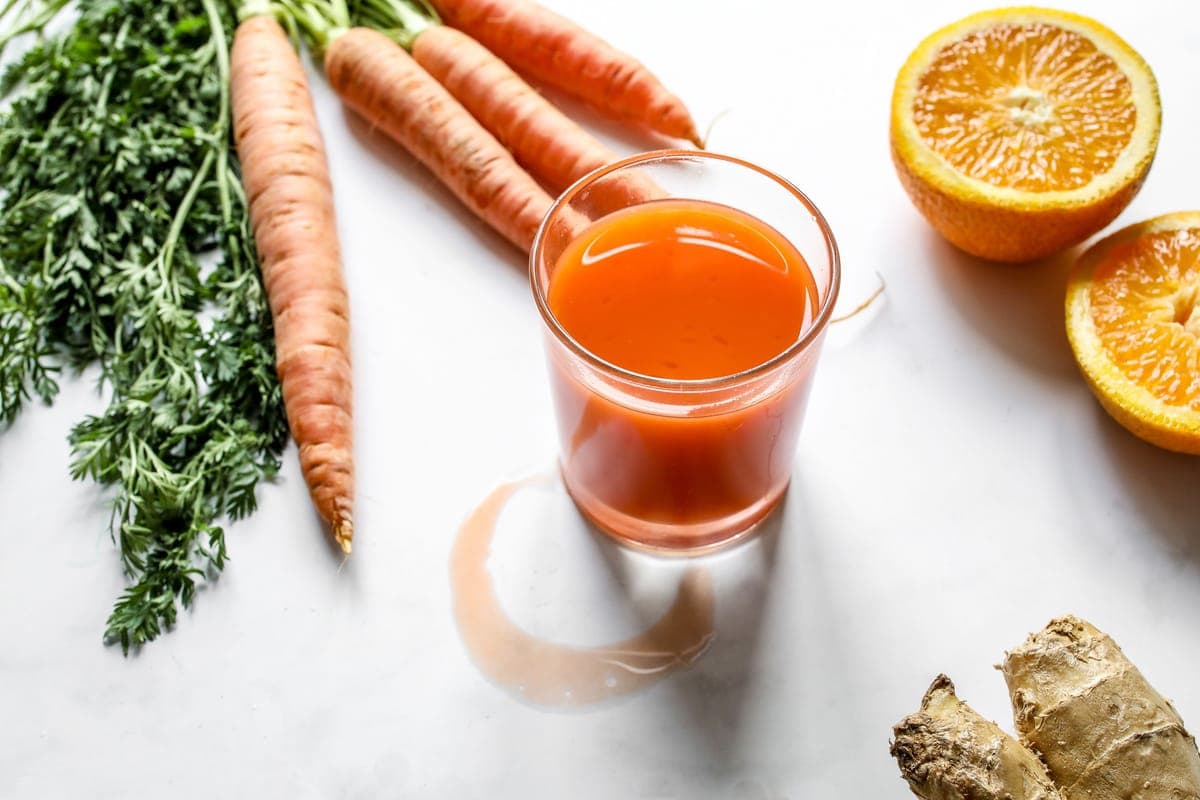
Best for Ginger Shots
Machines and technique for concentrated ginger shots, where small capacity is not the handicap it looks like.
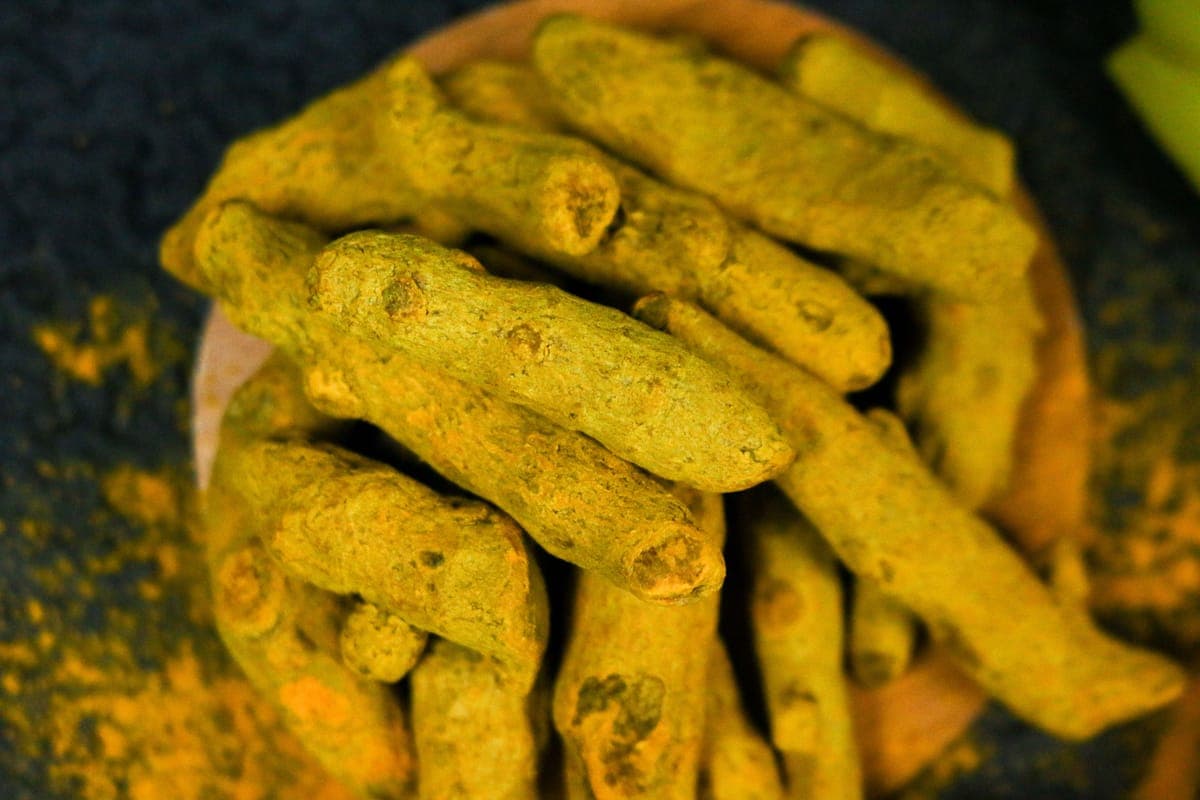
Best for Turmeric
Machines for fresh turmeric, and an honest warning about the staining nobody mentions.
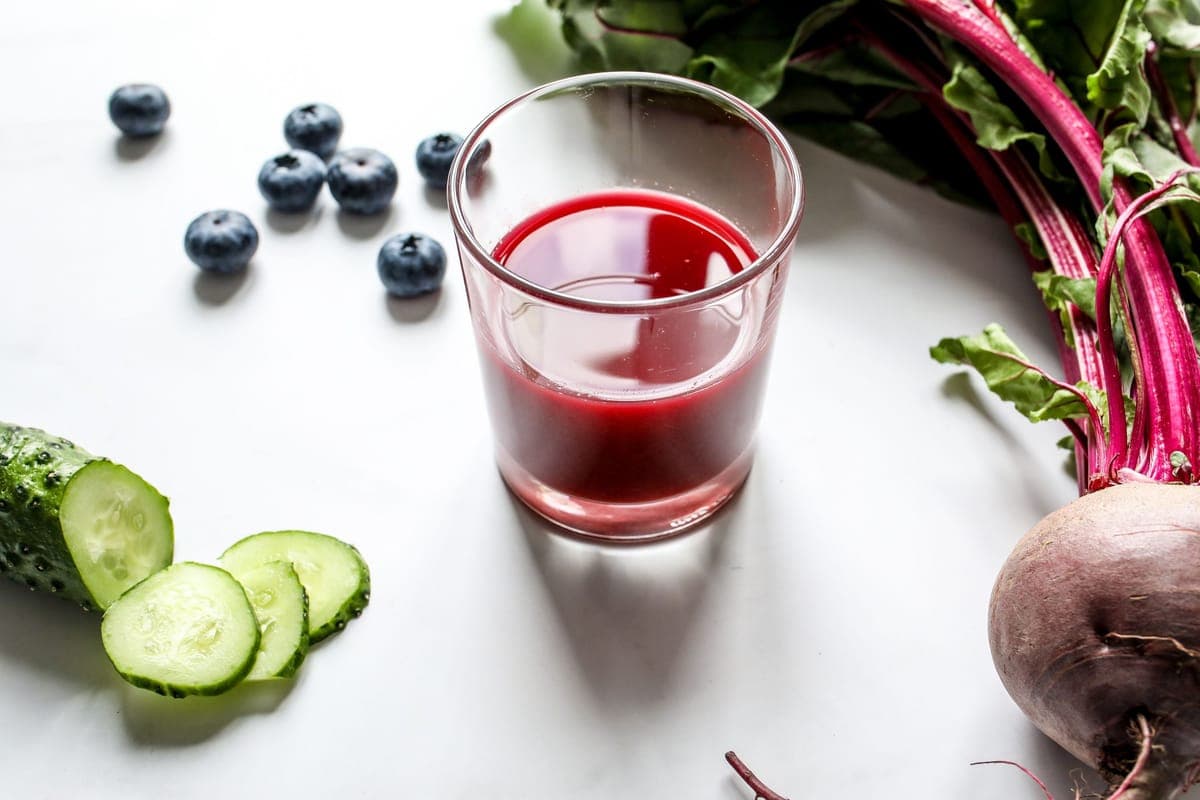
Best for Beets
Four machines for beetroot, the produce that finds out whether a motor is up to the job.
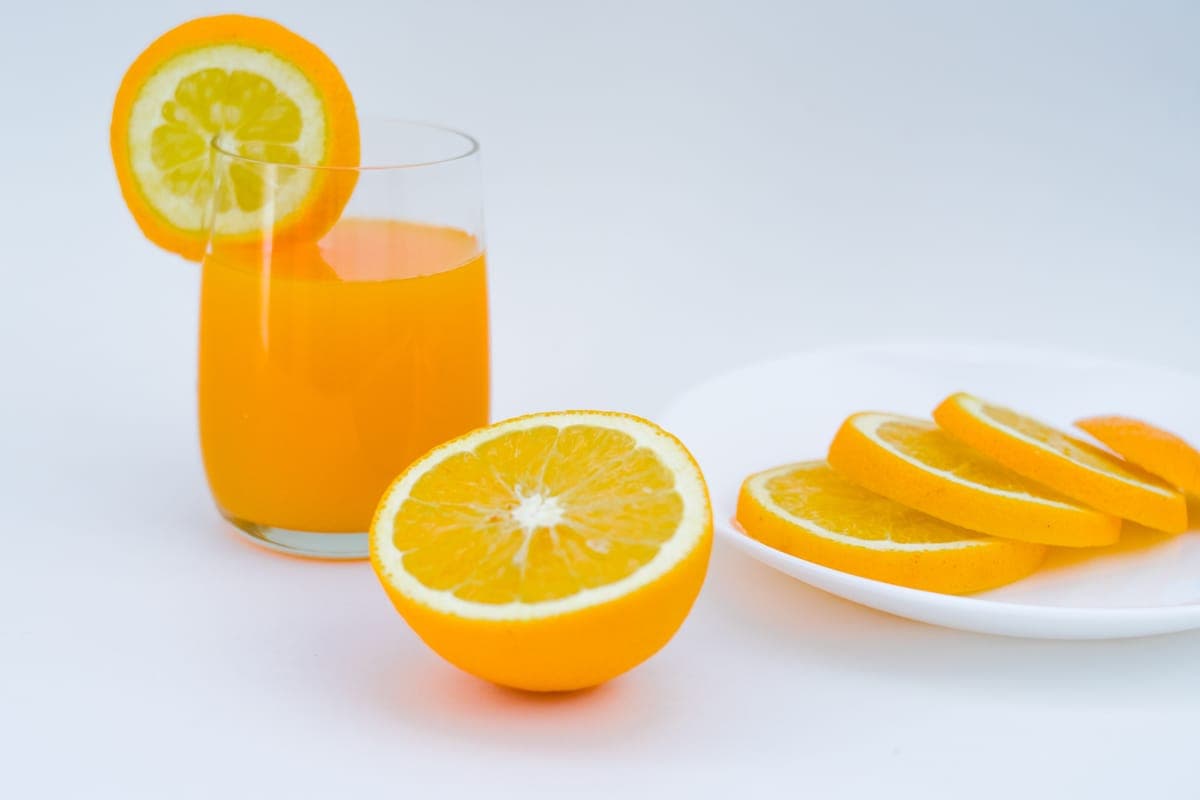
Best for Oranges
Four options for orange juice, and the honest case for not buying a general juicer at all.
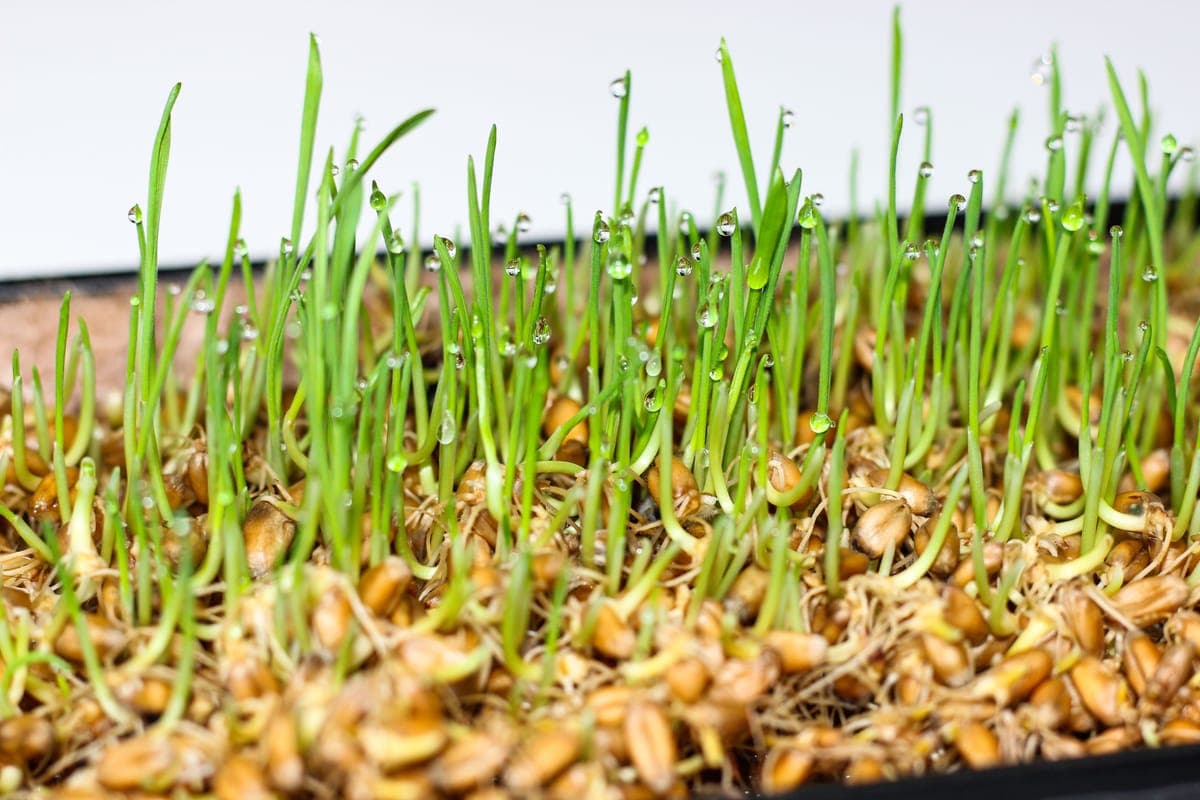
Best for Wheatgrass
Wheatgrass is the one produce that rules out most verticals. Three machines that handle it, and why.
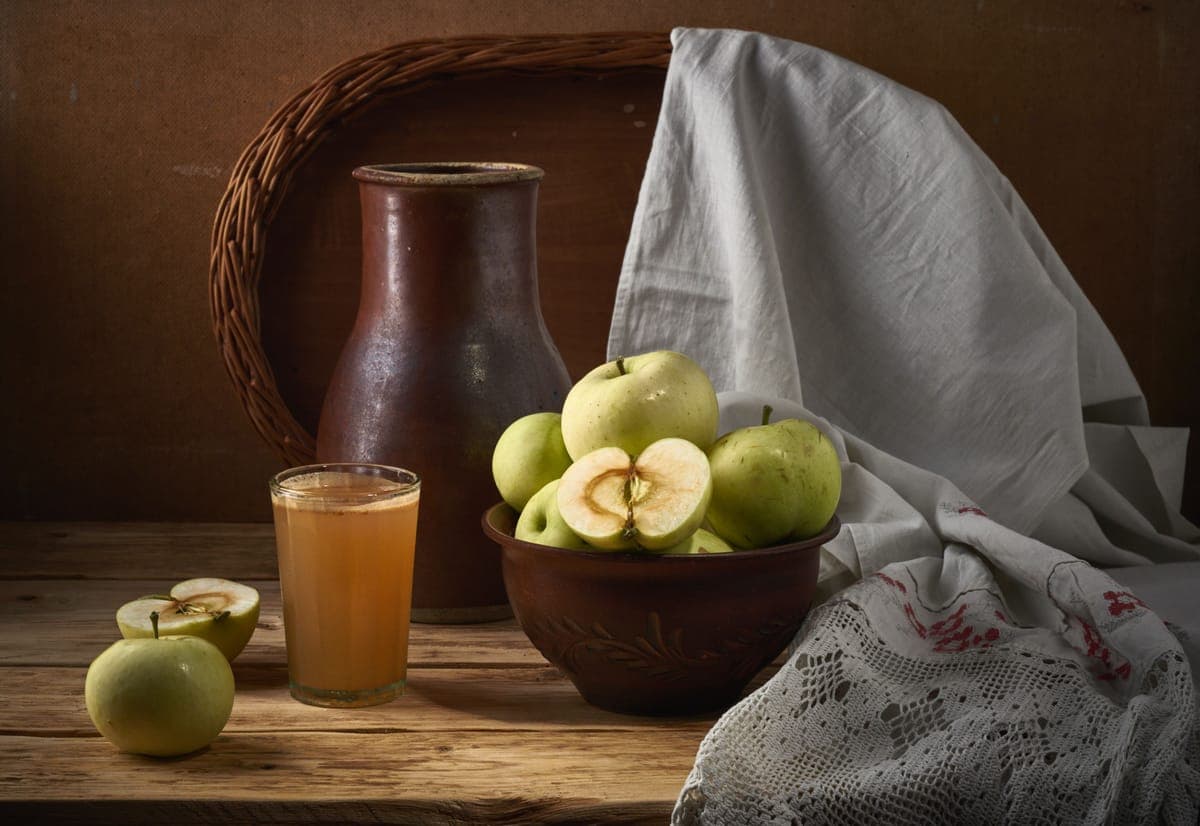
Best for Apples
Four machines for apples, where a 3 inch chute saves more time than any other feature.
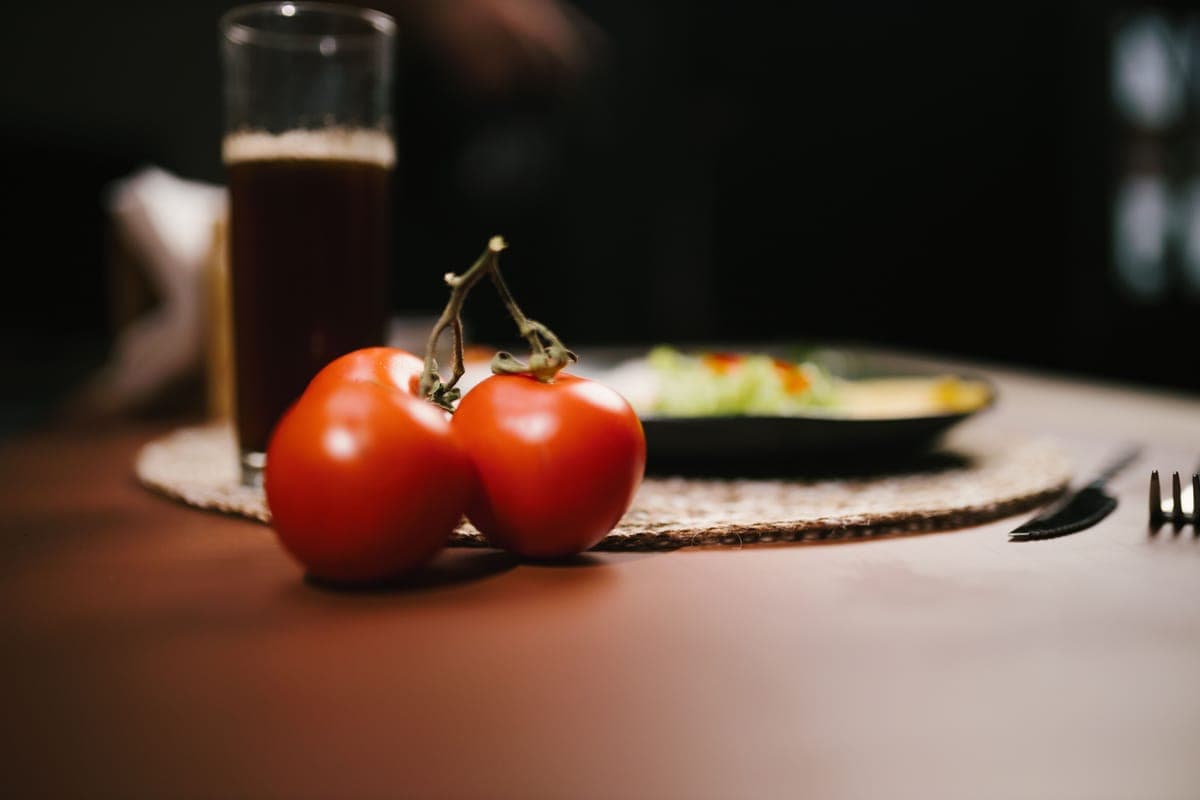
Best for Tomatoes
Soft wet produce needs gentle handling, not power. Four machines for tomato juice.
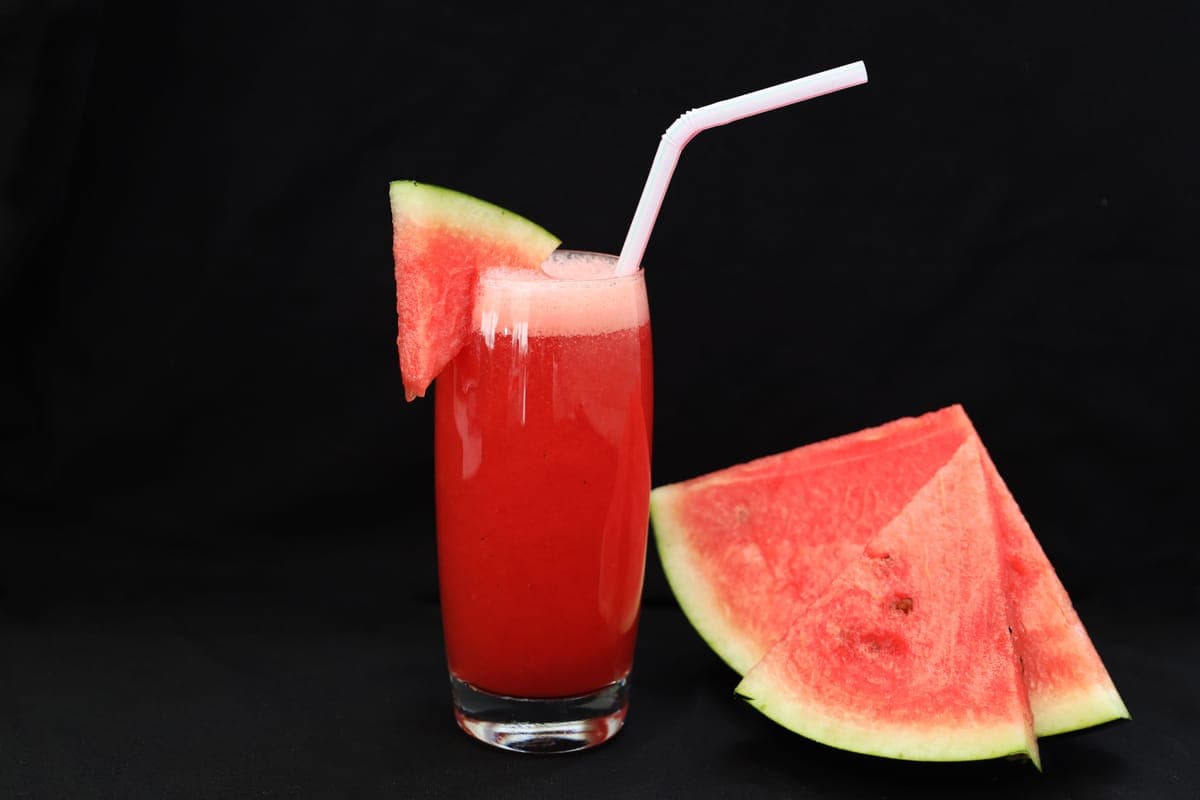
Best for Watermelon
Watermelon needs capacity rather than power. Four machines, plus the rind question.
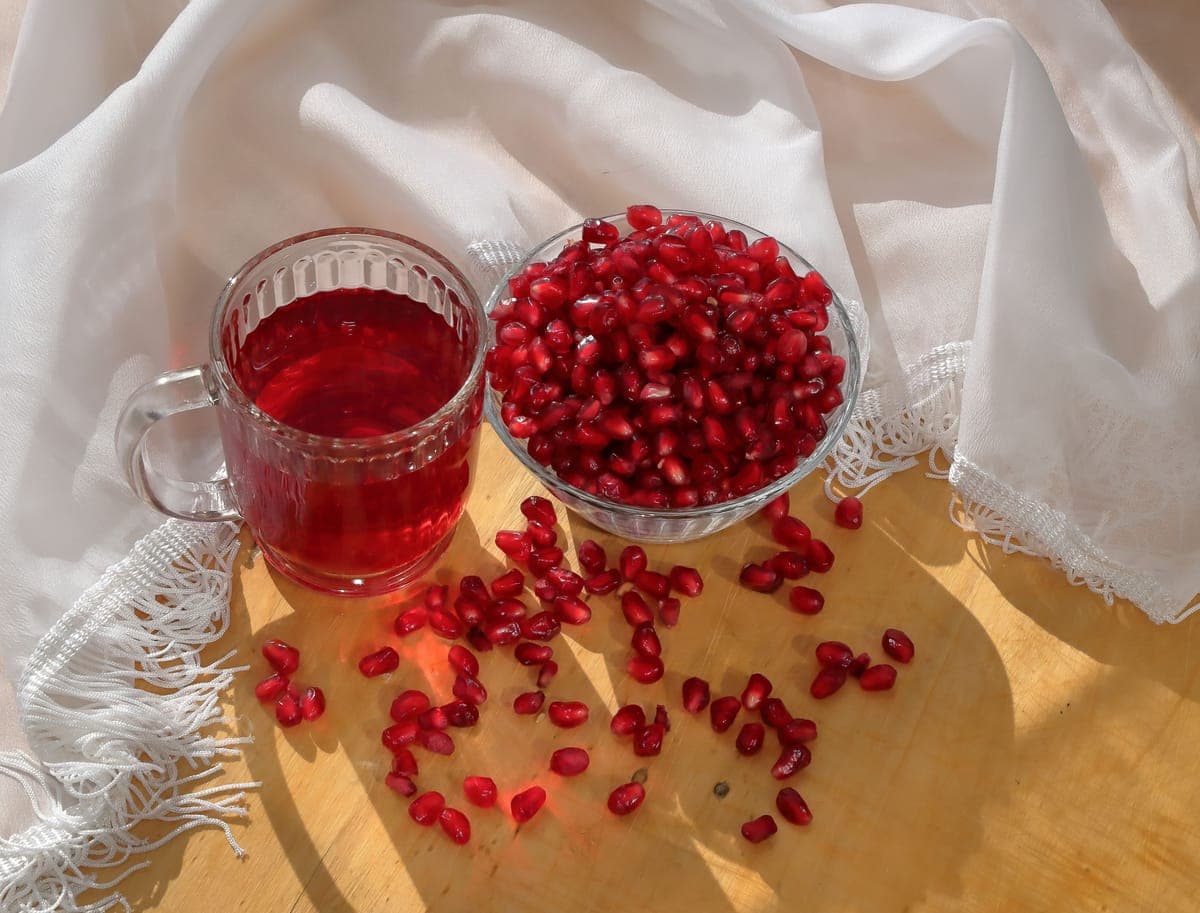
Best for Pomegranate
Pomegranate needs deseeding first and gentle extraction second. Four machines, and the prep that decides the result.
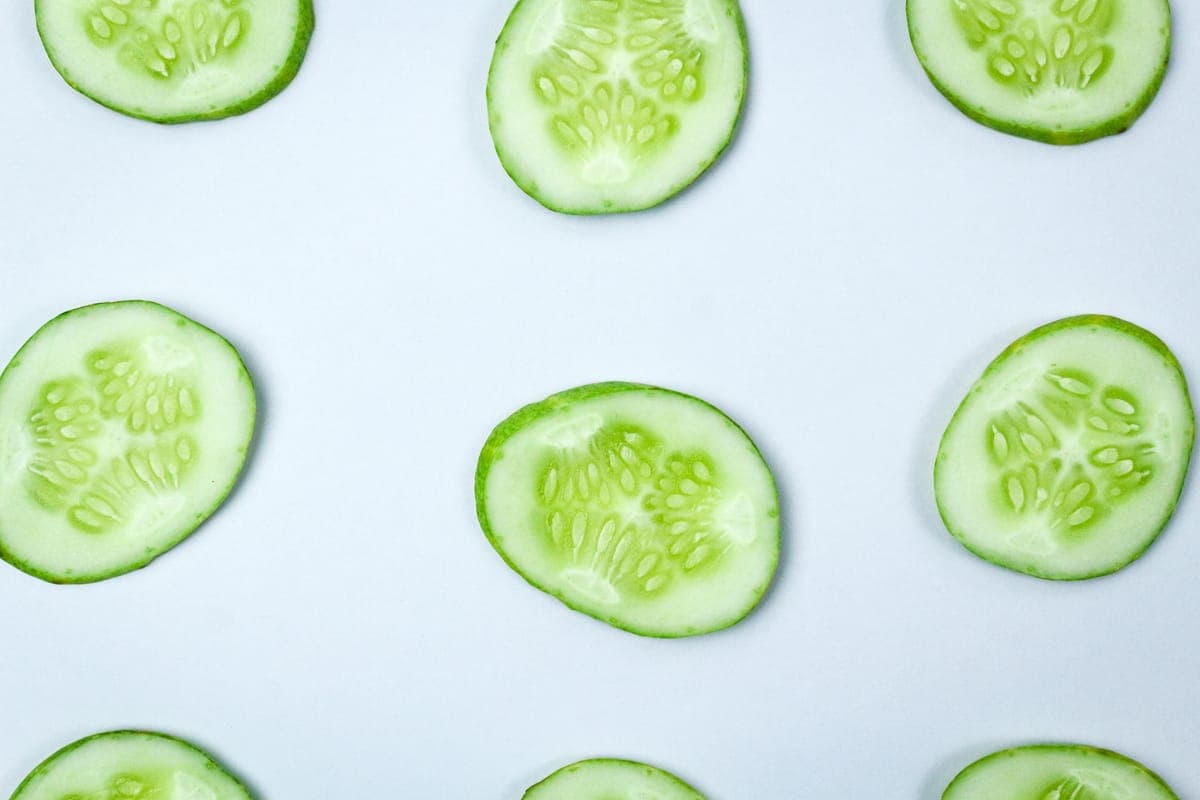
Best for Cucumber
Cucumber works in any machine, and it is the best plunger in green juicing. Four picks anyway.