The Best Juicers for Leafy Greens
Greens have almost no free liquid and all the fiber. The mechanism matters more here than anywhere else.
By Brijon M. · Last reviewed October 2, 2026
We earn a commission if you buy through links on this page, at no extra cost to you. It does not change what we recommend or the order we rank things in. Full disclosure.
Leafy greens are the produce group that most often sends a buyer back to the shop for a second machine. A kale leaf has very little free liquid and a lot of structure, so it does not give up juice to shredding -- it has to be crushed. That makes the mechanism question less negotiable here than for any other produce.
Quick picks
Tap any row to jump to the full write-up, or go straight to the listing. How we score.
| # | Product | Best for | Our score | Price |
|---|---|---|---|---|
| 1 |  Omega NC900HDC Best for leafy greens overall | Leafy greens, wheatgrass and anyone who wants to tune extraction | 7.9/10 | |
| 2 |  Omega VSJ843 Best vertical for greens | Leafy greens and wheatgrass, where slow crushing does the work | 8.0/10 | |
| 3 |  Tribest Greenstar Pro Most thorough on hard greens | Wheatgrass and hard greens, for someone who will do the washing | 7.3/10 | |
| 4 |  Omega J8006HDS Best value for greens | Celery and greens on a mid-range budget | 7.9/10 |
Why greens are different from everything else
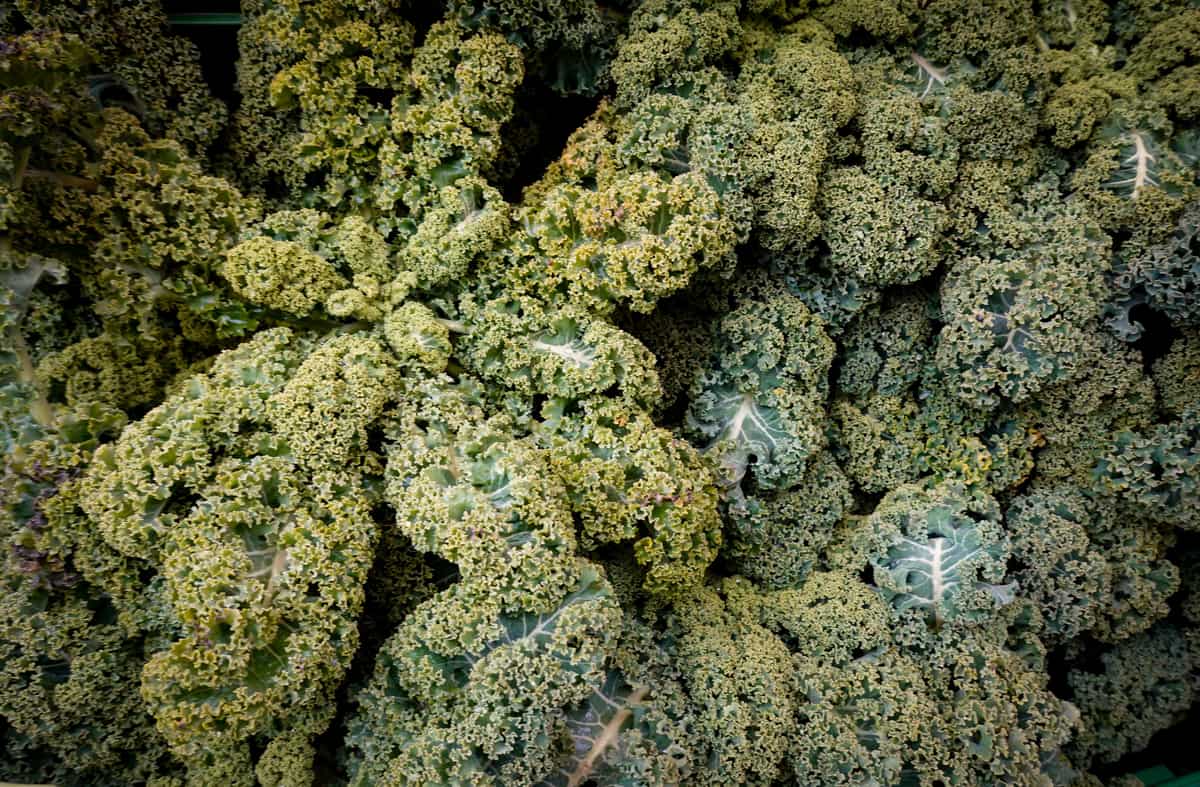
An apple is mostly cell water held in a dense matrix. Break the matrix anywhere and liquid comes out, which is why both juicing mechanisms handle apples well. A kale leaf is a thin sheet of fiber with liquid distributed through it in small amounts. There is no reservoir to break into.
To get at that liquid you have to compress the sheet, hard, between two surfaces. An auger against a screen does that. A spinning disc cuts the sheet into confetti and throws it at a wall, which barely compresses it at all -- so the confetti arrives in the pulp bin still green and still damp.
That is why greens are the clearest case in juicing for buying cold press, and why the centrifugal category openly says so on its own pages here.
Horizontal is the stronger shape for greens
Verticals rely partly on gravity to feed produce onto the auger, and a handful of leaves has almost no weight. They tend to sit on top rather than being drawn in, which means a lot of pushing with the tamper.
A horizontal machine lets you push the bundle along the auger directly, which is why Omega's horizontals and twin gear machines have historically been the greens recommendation. If you want a vertical, go for the slowest one you can -- Omega's 43 RPM VSJ843 -- because slow crushing partly compensates.
| Criterion | Omega NC900HDC | Omega VSJ843 | Tribest Greenstar Pro | Omega J8006HDS |
|---|---|---|---|---|
| Yield | Omega markets high juice yield and five pressure settings; no numeric yield figure is publishedManufacturer claim: Omega Juicers · checked 2026-10-02 | Not availableNot sourced | Not availableNot sourced | Omega markets high juice yield; no numeric figure is publishedManufacturer claim: Omega Juicers · checked 2026-10-02 |
| Pulp | Five adjustable pressure settings and two juicing screens, per OmegaManufacturer claim: Omega Juicers · checked 2026-10-02 | Not availableNot sourced | Not availableNot sourced | Not availableNot sourced |
| Cleanup time | Not available - no published cleanup time in minutesNot sourced | Not available - no published cleanup time in minutesNot sourced | Not available - no published cleanup time in minutesNot sourced | Not available - no published cleanup time in minutesNot sourced |
| Price | $200–400Band from retailer listings, checked 2026-10-02 | $400+Band from retailer listings, checked 2026-10-02 | $400+Band from retailer listings, checked 2026-10-02 | $200–400Band from retailer listings, checked 2026-10-02 |
| Speed | Omega states 80 RPM and 150 W outputManufacturer claim: Omega Juicers · checked 2026-10-02 | Omega states 43 RPM, dual-edge single auger, 150 WManufacturer claim: Omega Juicers · checked 2026-10-02 | Tribest states 110 RPM, 200 WManufacturer claim: Tribest · checked 2026-10-02 | Omega states 80 RPM, 200 W, triple-stage augerManufacturer claim: Omega Juicers · checked 2026-10-02 |
| Warranty | Omega states a 15-year limited warrantyManufacturer claim: Omega Juicers · checked 2026-10-02 | Omega states a 15-year limited warrantyManufacturer claim: Omega Juicers · checked 2026-10-02 | Tribest states 12 years for household useManufacturer claim: Tribest · checked 2026-10-02 | Omega states a 15-year limited warrantyManufacturer claim: Omega Juicers · checked 2026-10-02 |
Technique matters more here than with any other produce
- 1.Bundle and roll the leaves. Stack them, roll into a tight cigar, and feed that. A dense bundle gets crushed; loose leaves get carried through.
- 2.Alternate with something hard. A piece of apple, cucumber or carrot after each bundle acts as a plunger, pushing accumulated leaf fiber through and clearing the screen.
- 3.Feed slowly. Greens are where impatience costs the most yield.
- 4.Include the stems, within reason. Kale and chard stems have more structure and act as their own plungers. Very woody stems are worth discarding.
- 5.Run very wet pulp back through once. With greens this frequently produces a meaningful second pour, which is worth the extra minute.
What nobody publishes about greens yield
The picks in full
1. Best for leafy greens overall
Omega NC900HDC
Omega NC900HDC · $200–400 · Our score 7.9/10
The horizontal auger plus five adjustable end-cap pressure settings is the best combination available for greens: you can run high back-pressure, which is what thin leaves need to be squeezed rather than carried through. Omega states 80 RPM, two screens and a 15-year limited warranty. It is 19.22 in wide and 18.7 lb, so plan the counter. Full review.
- Yield
- Omega markets high juice yield and five pressure settings; no numeric yield figure is publishedManufacturer claim: Omega Juicers · checked 2026-10-02
- Pulp
- Five adjustable pressure settings and two juicing screens, per OmegaManufacturer claim: Omega Juicers · checked 2026-10-02
- Cleanup time
- Not available - no published cleanup time in minutesNot sourced
- Speed
- Omega states 80 RPM and 150 W outputManufacturer claim: Omega Juicers · checked 2026-10-02
What works
- Five pressure settings give real control over pulp and extraction
- Handles wheatgrass, which most verticals do poorly
- 15-year warranty on a design that has been iterated for years
What does not
- 19.22 in wide, which is a counter-depth problem in small kitchens
- More parts to wash than any vertical here
- 18.7 lb, so it lives out on the counter whether you like it or not
Skip this if: Your counter is shallow, or cleanup is what will make you quit. It is over 19 in wide and there are more parts to wash than on any vertical here.
Representative photo. We have no manufacturer image library, so this is a licensed stock photo of the category, not a photo of this unit.
- Yield9/10
- Pulp9/10
- Cleanup6/10
- Value8/10
- Quiet8/10
2. Best vertical for greens
Omega VSJ843
Omega VSJ843 · $400+ · Our score 8.0/10
43 RPM, the slowest in our registry, with a dual-edge single auger per Omega. Slow crushing is what thin fibrous leaves respond to, and the juice tap lets you mix greens with something sweeter in the drum before pouring. 150 W, 15-year limited warranty. Narrow feed opening, and genuinely slow.
- Yield
- Not availableNot sourced
- Pulp
- Not availableNot sourced
- Cleanup time
- Not available - no published cleanup time in minutesNot sourced
- Speed
- Omega states 43 RPM, dual-edge single auger, 150 WManufacturer claim: Omega Juicers · checked 2026-10-02
What works
- Slowest published speed here at 43 RPM
- Juice tap lets you mix in the bowl and stops the drip
- 15-year limited warranty
What does not
- Narrow feed opening - prep is unavoidable
- Slow by design, so throughput is low
- No published yield, pulp or cleanup figure
Skip this if: You want speed in the morning. 43 RPM is deliberate and it feels deliberate when you are late for work.
Representative photo. We have no manufacturer image library, so this is a licensed stock photo of the category, not a photo of this unit.
- Yield9/10
- Pulp9/10
- Cleanup7/10
- Value6/10
- Quiet9/10
3. Most thorough on hard greens
Tribest Greenstar Pro
Tribest GSE-5050 series · $400+ · Our score 7.3/10
Twin gears crushing from both sides at once is mechanically the most complete extraction available, and hard greens are exactly where that shows. Tribest states 110 RPM, 200 W, a 1.5 in chute and a 12-year household warranty. It weighs 27 lb and has the heaviest cleanup of anything we cover -- a specialist's machine, not a first juicer.
- Yield
- Not availableNot sourced
- Pulp
- Not availableNot sourced
- Cleanup time
- Not available - no published cleanup time in minutesNot sourced
- Speed
- Tribest states 110 RPM, 200 WManufacturer claim: Tribest · checked 2026-10-02
What works
- Twin-gear trituration is the most thorough mechanism in home juicing
- Handles wheatgrass and hard greens that defeat verticals
- 12-year household warranty
What does not
- 27 lb and 18.6 in wide
- 1.5 in chute, so everything gets chopped first
- The most parts, and the most awkward parts, to clean of anything here
Skip this if: You are buying your first juicer. This is a 27 lb specialist machine with a 1.5 in chute and the heaviest cleanup of anything we cover.
Representative photo. We have no manufacturer image library, so this is a licensed stock photo of the category, not a photo of this unit.
- Yield10/10
- Pulp9/10
- Cleanup4/10
- Value6/10
- Quiet7/10
4. Best value for greens
Omega J8006HDS
Omega J8006HDS · $200–400 · Our score 7.9/10
The same 80 RPM horizontal mechanism and the same 15-year warranty as the NC900HDC for meaningfully less, with a triple-stage auger per Omega. You give up the five-setting pressure adjustment, which matters more for greens than for anything else -- but it is still a horizontal auger, which is the right shape.
- Yield
- Omega markets high juice yield; no numeric figure is publishedManufacturer claim: Omega Juicers · checked 2026-10-02
- Pulp
- Not availableNot sourced
- Cleanup time
- Not available - no published cleanup time in minutesNot sourced
- Speed
- Omega states 80 RPM, 200 W, triple-stage augerManufacturer claim: Omega Juicers · checked 2026-10-02
What works
- 15-year warranty at a mid-range price
- A horizontal auger handles stringy celery and greens well
- Doubles as a nut-butter, pasta and sorbet extruder
What does not
- Narrow chute means constant prep chopping
- Takes significant counter depth
- Omega publishes no yield or cleanup figure to compare
Skip this if: You juice mostly whole apples and oranges. You will spend your life chopping to fit a narrow horizontal chute.
Representative photo. We have no manufacturer image library, so this is a licensed stock photo of the category, not a photo of this unit.
- Yield9/10
- Pulp8/10
- Cleanup6/10
- Value9/10
- Quiet8/10
Questions people ask
What is the best juicer for leafy greens?
Can a centrifugal juicer juice kale?
Should I juice kale stems?
How do I get more juice from leafy greens?
Is a vertical juicer bad for greens?
Sources
Every figure on this page traces to one of these. Where a source does not publish a number, the page says “Not available” rather than estimating one.
- Omega NC900HDC specifications — 80 RPM, five pressure settings, two screens, 19.22 in wide
- Omega VSJ843 specifications — 43 RPM, dual-edge single auger, 150 W
- Tribest Greenstar Elite — 110 RPM twin gear, 1.5 in chute, 12-year household warranty
Read next
Juicers by Produce
Fifteen produce-first guides, from celery and kale to pomegranate and watermelon rind.
The Best Juicers for Kale and Spinach
Why kale and spinach behave differently in the same machine, and the four juicers that handle both.
The Best Juicers for Celery
Four machines for celery, chosen around the clogging problem that defines this produce.
The Best Horizontal Masticating Juicers
Horizontal augers: adjustable extraction and wheatgrass, in exchange for serious counter depth.
The Highest-Yield Juicers
Yield ranked by mechanism and documented features, with a plain account of why no comparable figures exist.