Omega NC900HDC Review
The only machine on this site with adjustable extraction. Also 19 inches of counter you need to find.
By Brijon M. · Last reviewed October 2, 2026
We earn a commission if you buy through links on this page, at no extra cost to you. It does not change what we recommend or the order we rank things in. Full disclosure.
The NC900HDC is the only machine we cover where you can change how hard it squeezes. Five end-cap pressure settings plus two screens is a real mechanism, not a marketing claim, and it is the single most useful feature for anybody juicing a genuinely varied mix. The price is 19.22 inches of counter depth and the most parts to wash of any machine here.
| Criterion | Omega NC900HDC |
|---|---|
| Yield | Omega markets high juice yield and five pressure settings; no numeric yield figure is publishedManufacturer claim: Omega Juicers · checked 2026-10-02 |
| Pulp | Five adjustable pressure settings and two juicing screens, per OmegaManufacturer claim: Omega Juicers · checked 2026-10-02 |
| Cleanup time | Not available - no published cleanup time in minutesNot sourced |
| Price | $200–400Band from retailer listings, checked 2026-10-02 |
| Speed | Omega states 80 RPM and 150 W outputManufacturer claim: Omega Juicers · checked 2026-10-02 |
| Warranty | Omega states a 15-year limited warrantyManufacturer claim: Omega Juicers · checked 2026-10-02 |
What Omega states
- 80 RPM, with 150 W output.
- Five adjustable pressure settings on the end cap.
- Two juicing screens.
- Six nozzles, for nut butter, baby food, nut milks, pasta and sorbet as well as juice.
- 19.22 in W x 7.25 in D x 12.96 in H, 18.7 lb.
- A 15-year limited warranty.
- High juice yield -- marketed, with no figure attached.
What the pressure settings actually do
At the far end of the auger housing there is a restriction that stops pulp falling straight out, so the auger has something to squeeze against. That back-pressure is what extracts the juice. On almost every machine it is fixed.
Here it is adjustable across five positions, and the reason that matters is that the ideal pressure is not the same for every produce:
- High pressure for dense hard produce -- carrots, beets, hard greens. More squeezing, drier pulp.
- Low pressure for soft produce -- tomatoes, watermelon, very ripe fruit. Soft pulp needs an escape route, or it packs against the end cap and blocks instead of flowing.
- Middle settings for mixed juicing, which is where most people will leave it.
That makes this the most capable machine on the site for a varied produce list, and the most forgiving when something clogs. It is also the only documented extraction capability any manufacturer publishes -- which is a meaningfully different thing from a yield claim with no number behind it.
The counter-space problem
Omega publishes the dimensions, to its credit, and they are the main reason not to buy this machine: 19.22 in wide and 18.7 lb. You also need clear space to the side, because a horizontal machine is fed by pushing produce along the auger rather than dropping it in.
In a galley kitchen that is most of a worktop, permanently -- at 18.7 lb nobody lifts this in and out of a cupboard twice a day. Measure before you order. Best compact juicers is the right page if this is a constraint.
Cleanup is the real cost
More parts than any vertical, and the long auger housing is the least convenient shape to get a brush into. Omega publishes no cleanup time -- nobody does -- but the parts count is visible on the product page and it is higher here than on anything else we cover except the twin gear machines.
If cleanup is what would stop you juicing, this is the wrong machine and Hurom's strainer-free H400 or Cuisinart's mesh-free CSJ-300 are the right ones. See the easiest juicers to clean.
Who this is for
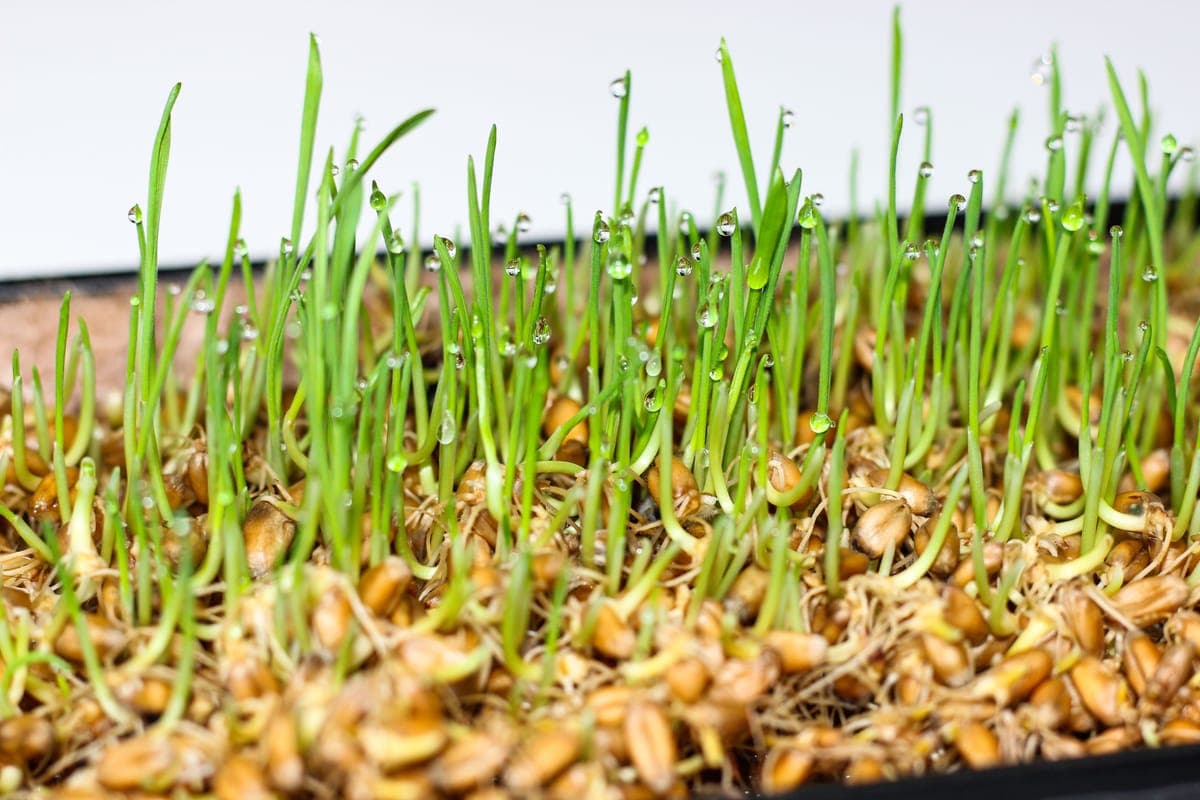
Somebody juicing a genuinely varied mix who wants control over extraction, and somebody who juices wheatgrass or very fibrous greens -- which most verticals handle poorly and a horizontal auger handles well. Also somebody who will use the nut butter and pasta functions, where it genuinely replaces another appliance.
Who should skip it
Anybody with a shallow counter, anybody for whom cleanup is the deciding criterion, and anybody who juices the same two things every day -- you will set the pressure once and never touch it, which means paying for a dial you do not use. In that case the J8006HDS has the same mechanism and the same 15-year warranty for less. Omega NC900HDC vs J8006HDS works that comparison through properly.
Where it appears on this site
The NC900HDC is our top pick on juicers for leafy greens, kale and spinach, ginger, turmeric, beets, tomatoes and horizontal masticating juicers -- a spread that is itself the argument for adjustable pressure.
The picks in full
1. Best adjustable extraction
Omega NC900HDC
Omega NC900HDC · $200–400 · Our score 7.9/10
Omega states five adjustable end-cap pressure settings and two juicing screens -- the only documented extraction control published by any manufacturer on this site. 80 RPM, 150 W output, a 15-year limited warranty, and six nozzles for nut butter, pasta and sorbet. Omega also publishes the dimensions most brands hide: 19.22 x 7.25 x 12.96 in and 18.7 lb.
- Yield
- Omega markets high juice yield and five pressure settings; no numeric yield figure is publishedManufacturer claim: Omega Juicers · checked 2026-10-02
- Pulp
- Five adjustable pressure settings and two juicing screens, per OmegaManufacturer claim: Omega Juicers · checked 2026-10-02
- Cleanup time
- Not available - no published cleanup time in minutesNot sourced
- Speed
- Omega states 80 RPM and 150 W outputManufacturer claim: Omega Juicers · checked 2026-10-02
What works
- Five pressure settings give real control over pulp and extraction
- Handles wheatgrass, which most verticals do poorly
- 15-year warranty on a design that has been iterated for years
What does not
- 19.22 in wide, which is a counter-depth problem in small kitchens
- More parts to wash than any vertical here
- 18.7 lb, so it lives out on the counter whether you like it or not
Skip this if: Your counter is shallow, or cleanup is what will make you quit. It is over 19 in wide and there are more parts to wash than on any vertical here.
Representative photo. We have no manufacturer image library, so this is a licensed stock photo of the category, not a photo of this unit.
- Yield9/10
- Pulp9/10
- Cleanup6/10
- Value8/10
- Quiet8/10
Questions people ask
What do the five pressure settings on the Omega NC900HDC do?
How much counter space does the NC900HDC need?
Is the Omega NC900HDC hard to clean?
NC900HDC or J8006HDS?
Does the NC900HDC really yield more juice?
Sources
Every figure on this page traces to one of these. Where a source does not publish a number, the page says “Not available” rather than estimating one.
- Omega NC900HDC specifications — 80 RPM, five pressure settings, two screens, six nozzles, 19.22 x 7.25 x 12.96 in, 18.7 lb, 15-year warranty
Read next
Juicer Reviews
Individual reviews of the machines currently worth considering, each with a who-should-skip-it verdict.
Omega NC900HDC vs J8006HDS
Two Omega horizontals that differ in one documented feature. Whether you need it.
The Best Horizontal Masticating Juicers
Horizontal augers: adjustable extraction and wheatgrass, in exchange for serious counter depth.
The Highest-Yield Juicers
Yield ranked by mechanism and documented features, with a plain account of why no comparable figures exist.
The Best Juicers for Leafy Greens
Four machines for kale, chard, spinach and green juice, with the technique that doubles your yield.