Best Citrus
The Best Citrus Juicers
Five citrus juicers across all three mechanisms, with a volume rule for choosing between them.
From a hand squeezer in a drawer to a die-cast lever press. The choice is almost entirely about how much citrus you actually squeeze.
By Brijon M. · Last reviewed October 2, 2026
Citrus is the one kind of produce that does not need a juicer at all. The fruit is already full of liquid in soft segments, so the only job is pressure. That is why this category spans $20 to $280 for machines that all do the same thing, and why the right answer depends almost entirely on how much citrus you squeeze in a week.
There are three mechanisms, and the difference between them is who supplies the force.
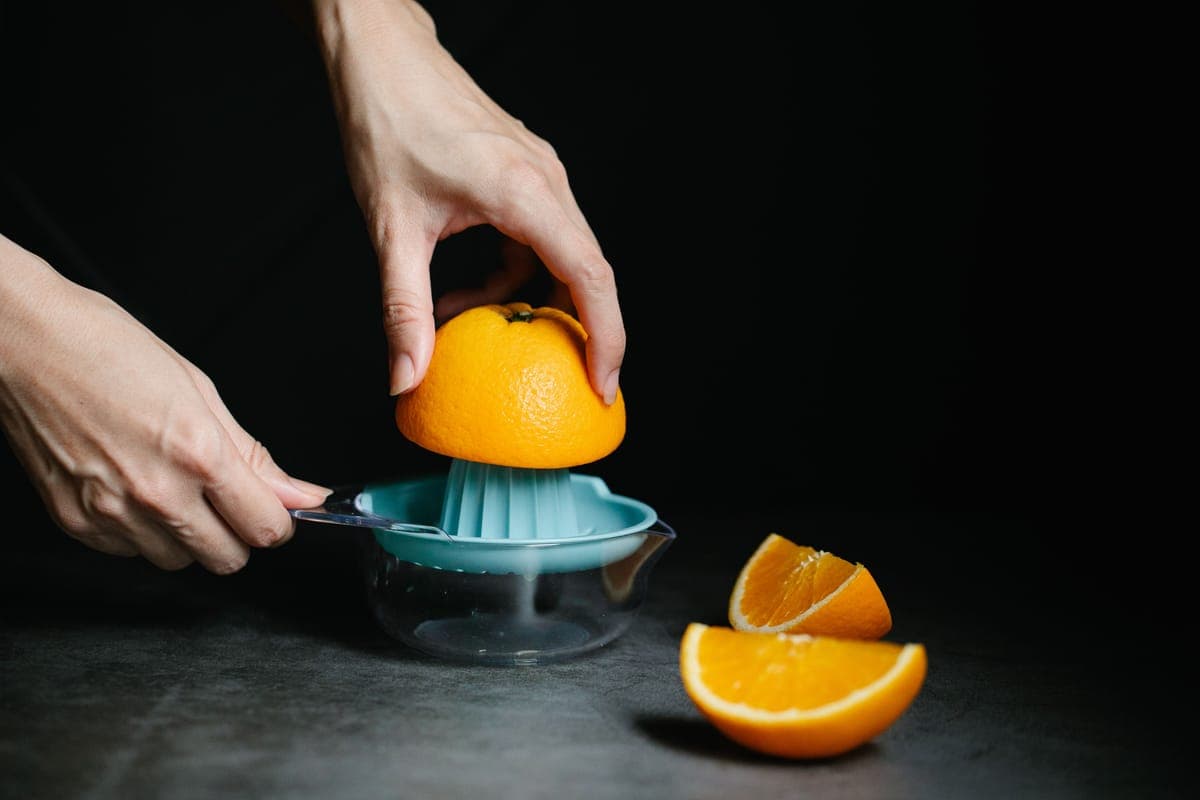
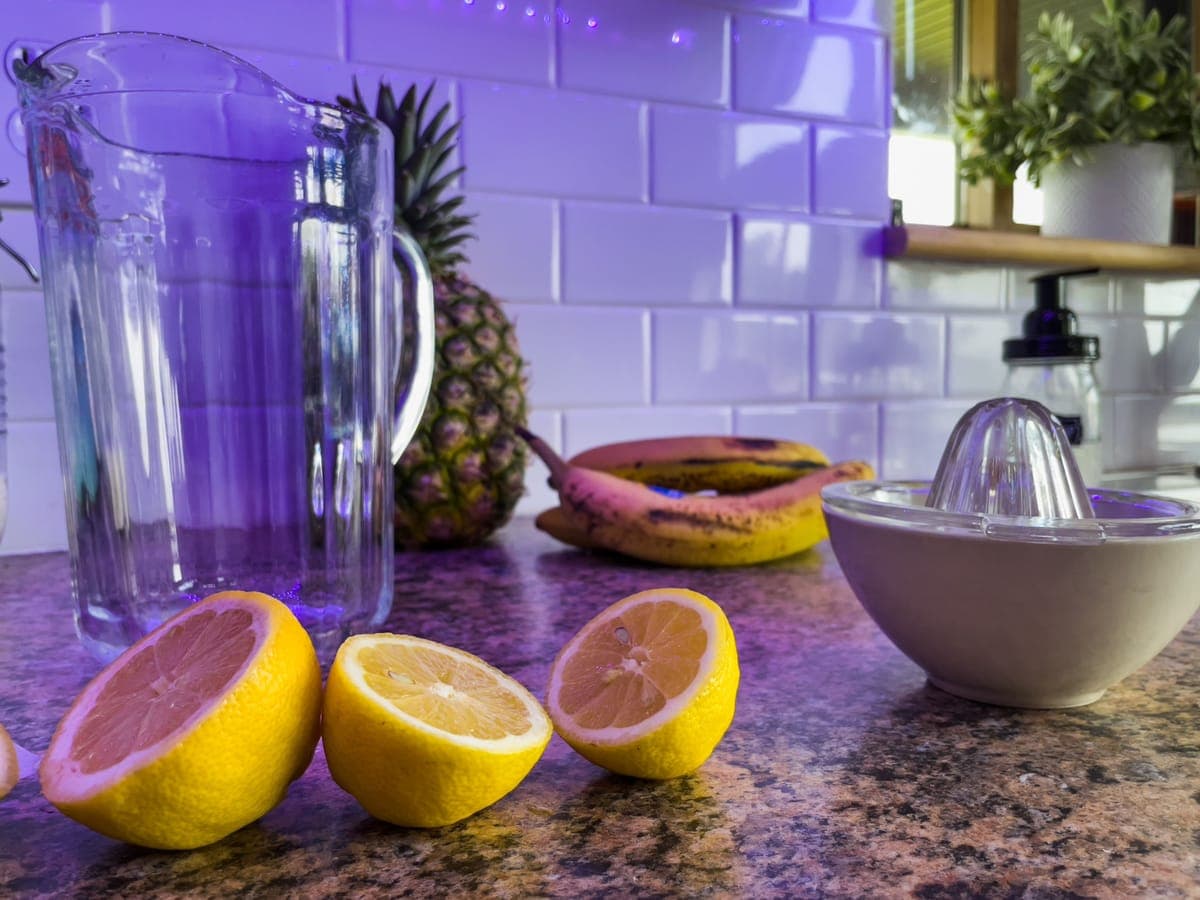
A hinged squeezer or a ribbed cone, and your hand. Chef'n's FreshForce uses a dual-gear hinge to multiply your grip, and OXO's 2-in-1 is a two-size reamer over a measuring jug with a strainer built in. Both are dishwasher safe, both live in a drawer, and both cost less than a takeout lunch. For a few lemons and limes a week this is the correct purchase and everything else is overkill. See the best manual citrus juicers.
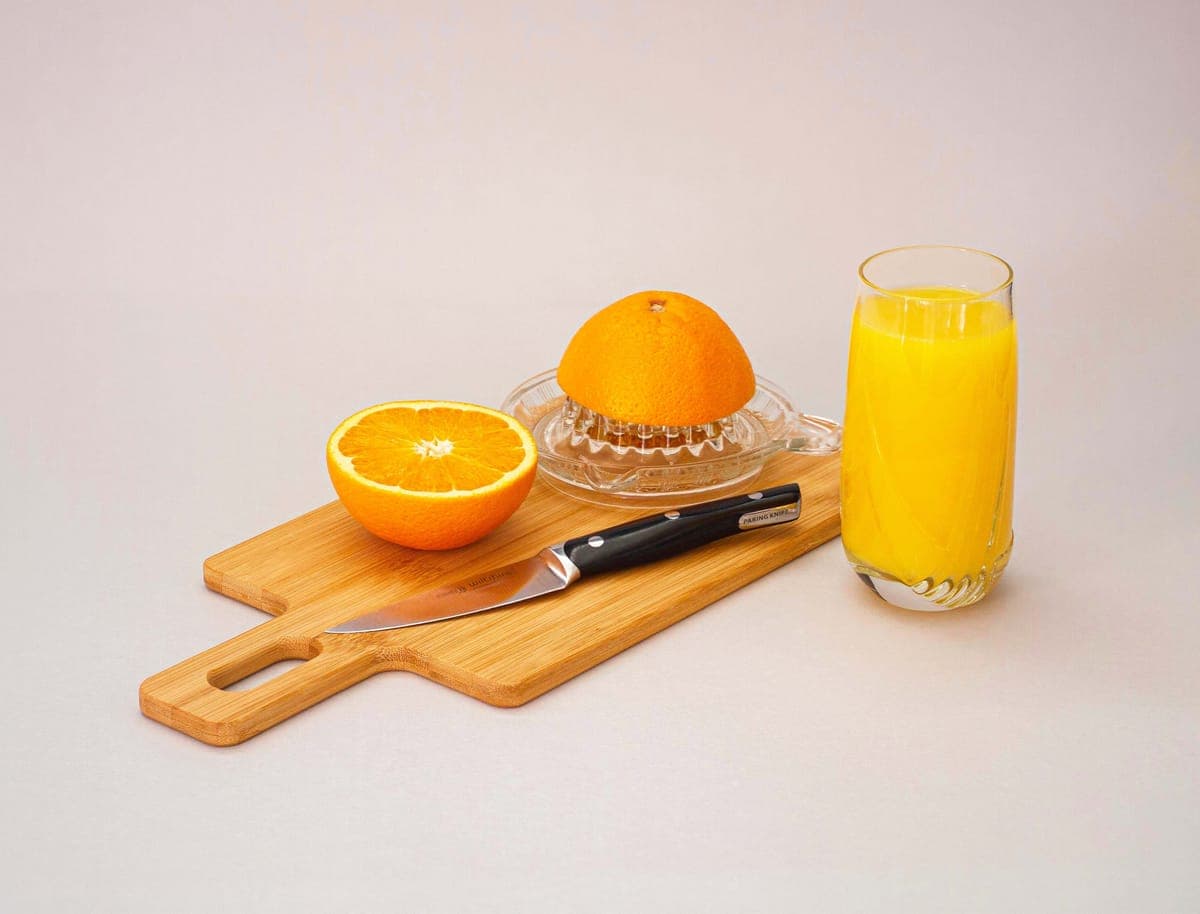
A motorized cone spins while you press the fruit down onto it. The useful feature here is pulp control: Cuisinart states three settings on the CCJ-500, which is the difference between pulpy breakfast juice and clear juice for a recipe. Electric reamers sit in the sweet spot for a daily glass of orange juice without a big machine. See the best electric citrus juicers.
A long arm multiplies a short pull into enough pressure to empty half an orange in one motion. Breville's 800CPXL adds a motor to the cone as well, and states adjustable pulp control and four dishwasher-safe parts. Zulay's cast-iron press has no motor at all and never fails. Presses are what bars and cafes use, and they are the only mechanism here that is genuinely kind to hands and wrists. See the best citrus presses.
| How much citrus per week | What to buy | Why |
|---|---|---|
| A few lemons or limes | A hand squeezer | Nothing else justifies the counter space or the cost |
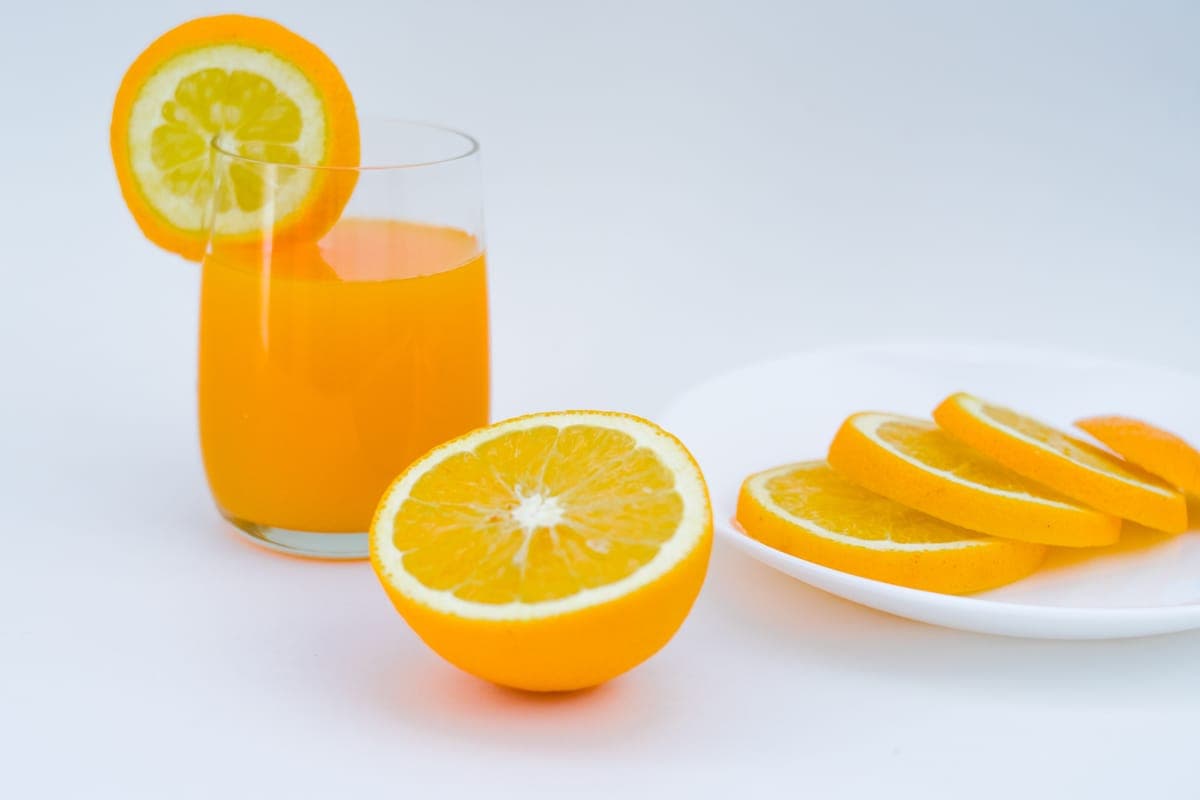
| A glass of orange juice most mornings | An electric reamer | A motor removes the effort; pulp settings remove the arguing |
| Breakfast for a household, or a home bar | A lever press | Force multiplication and a bigger cup, so volume stops being work |
| Your hands ache or grip is limited | A lever press, at any volume | A lever replaces twisting pressure with a downward pull -- see citrus juicers for arthritic hands |
It will not juice celery, carrots, kale, apples or ginger. Not slowly, not badly -- not at all. A citrus juicer has no cutting mechanism and no screen designed for fiber; it is a pressure device for soft segmented fruit. If you want citrus and vegetables from one machine, you are shopping in the cold press category or the centrifugal category, and you will squeeze peeled oranges through it. Several slow juicers handle peeled citrus fine -- see juicers for oranges for how that works and what you give up.
Yield claims here are mostly unverifiable in the same way they are everywhere else on this site. Chef'n claims 20 percent more juice than a conventional handheld juicer, without stating what it was compared against. Breville says the Quadra-Fin cone maximizes extraction, with no figure. We report those as the manufacturer claims they are. What we can tell you concretely is how many parts you will wash, and whether they are dishwasher safe -- and in this category that is usually the real decision, because a four-part press is a genuinely different daily experience from a one-piece squeezer.
How much juice you get from one lemon, lime or orange covers the practical question most people are actually asking when they search for yield.
Each of these carries its own picks, the four-criteria table and a source label on every figure.
Best Citrus
Five citrus juicers across all three mechanisms, with a volume rule for choosing between them.
Best Manual
Hand squeezers and reamers: the right answer for a few lemons a week, and useful even if you own a machine.
Best Electric Citrus
Three electric citrus juicers, the sensible choice for a daily glass without buying a full machine.
Best Citrus Press
Three lever presses for citrus volume, including the only machine in the category that publishes a pressure figure.
Roundup
The three citrus mechanisms compared on effort, volume and cleanup, with a straight recommendation.
Roundup
Which citrus mechanisms work without grip strength, and the specific features to look for.
Guide
Why per-fruit juice figures vary so much, and the thirty-second way to get a number you can trust.