
Best Centrifugal
The Best Centrifugal Juicers
Four fast juicers for apples, carrots and beets, with the mechanism's limits stated up front.
Fast spinning baskets and wide chutes. The right machine for apples and carrots, and the wrong one for celery, at any price.
By Brijon M. · Last reviewed October 2, 2026
A centrifugal juicer shreds produce against a fast-spinning disc and throws the pulp into a basket. It is quick, it is cheap, and the chute is usually wide enough to drop in a whole apple. It is also the wrong tool for the produce most people now buy a juicer for.
The speeds are not small numbers. Breville states 6,500 RPM on the low setting and 12,000 on the high setting for the JE98XL. Mueller states 12,000 to 18,000 RPM across its two speeds. That velocity is what makes a centrifugal machine fast, and it is also the source of every complaint about this category: foam, warmer juice, and juice that separates in the glass while you are still drinking it.
Dense, hard, watery produce. Apples, carrots, beets, cucumber, firm pears, peeled citrus. The disc has no trouble shredding them and the basket throws the fiber clear. For an apple-carrot-ginger glass in the morning, a centrifugal juicer will have you drinking it while a slow juicer is still grinding.
The other genuine advantage is prep. Breville states a 3 in feed tube on the JE98XL and 3.5 in on the BJE830 Cold XL; Hamilton Beach states 3 in on the Big Mouth. A 3 in chute means whole apples go in whole. On a slow juicer with a 1.8 in chute, the same apple is three cuts of work first. Over a daily habit that difference is minutes a day, every day.
And they are cheap. Our best juicers under $100 page is dominated by this category, because that is where the price band lives.
Celery, kale, chard, spinach, wheatgrass, herbs. Anything whose structure is long fiber rather than cell water. A spinning basket cuts across the grain of a fiber at high speed, which is a poor way to release liquid from a strand; the strand gets flung into the pulp bin largely intact. No speed setting, no technique and no brand fixes this, because it is the mechanism.
If celery juice is the plan, buy from the cold press category instead. We say this on every centrifugal page on this site, because it is the single most expensive mistake a first-time juicer buyer makes: a $70 machine that does not do the one job they bought it for. Masticating vs centrifugal lays out the comparison properly.
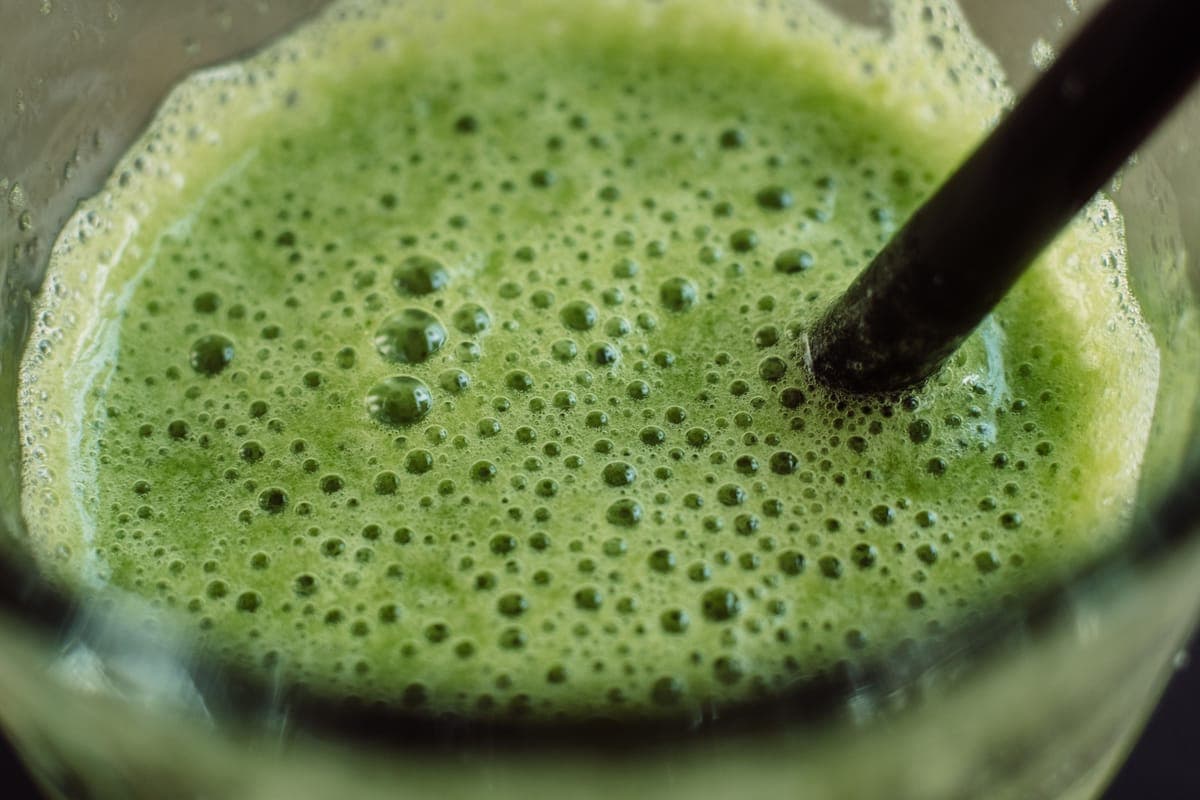
Centrifugal juice foams. That is air whipped into the liquid by the speed of the basket, and it is why Breville puts a froth separator in the JE98XL's carafe. Foam is cosmetic and it settles. The more substantive effect of speed and aeration is on how fast the juice changes in color and taste, which is a storage question more than a nutrition one -- see juicer foam and oxidation and how long fresh juice lasts. We write about machines, not about nutrition, so you will not find a health verdict on this site.
This is the honest weak spot. A basket at 12,000 RPM is loud, and almost nobody publishes a figure. Breville claims its noise-reduction technology cuts mechanical noise by 40 percent on the BJE830, which is a relative claim against other centrifugals, not against a slow juicer, and carries no decibel number. If a quiet machine matters -- a small apartment, an early riser, a baby asleep -- read the quietest juicers, which is mostly not this category.
Each of these carries its own picks, the four-criteria table and a source label on every figure.
Best Centrifugal
Four fast juicers for apples, carrots and beets, with the mechanism's limits stated up front.

Best Budget Fast Juicer
Three cheap fast juicers with the published specs, and the mistake that makes a budget machine a waste.
Widest Chute
Wide-chute juicers with published measurements, for people who do not want to chop before 7am.
Guide
The spinning-basket mechanism explained, and why the same physics that makes it fast makes it fail on fiber.
Guide
Why juice foams, how to reduce it, and what oxidation does to color and taste.
Guide
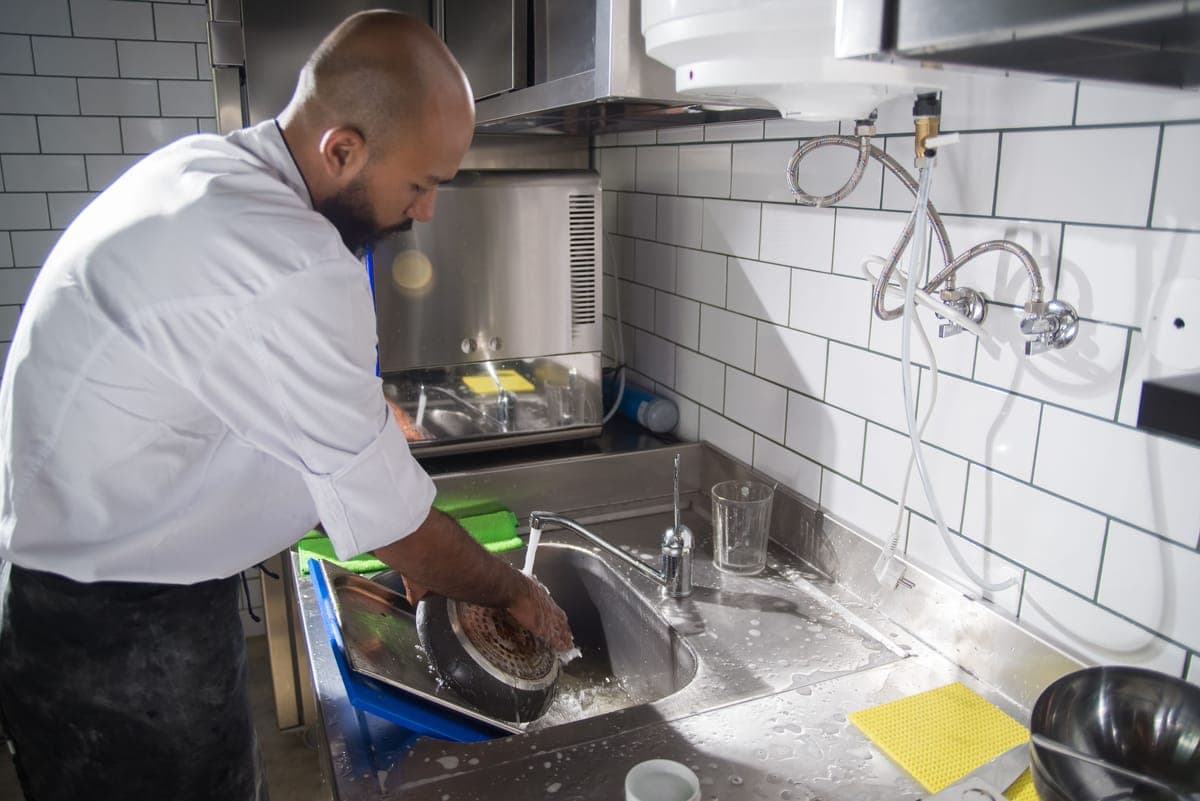
A fast cleanup routine for fast juicers, and which parts the manufacturers say are dishwasher safe.