Cold Press Juicer Yield, Explained
The number everybody shops on, and the number nobody publishes. Here is what is actually knowable.
By Brijon M. · Last reviewed October 2, 2026
Yield is the thing people most want compared and the thing least available to compare. We checked the manufacturer documentation for every cold press machine on this site. Not one states a comparable yield figure, and the only quantity anybody publishes is Nama's 20 to 30 oz per batch for the J2, which is a capacity statement rather than an extraction rate.
What yield actually means
Juice out, divided by produce in. If a pound of celery gives you 10 oz of juice on one machine and 12 oz on another, the second has higher yield, and over a daily habit that compounds into real money -- because produce costs more than the machine over a year.
It is a simple measurement. Same produce, same weight, same preparation, weigh the juice. The fact that nobody publishes it is a choice, not a technical obstacle.
What brands say instead
| Brand | What they claim about yield | Number attached? |
|---|---|---|
| Hurom | Highest yield and least pulp of any Easy Clean model | No |
| Omega | High juice yield | No |
| AMZCHEF | Seven spiral masticators for maximum yield | No |
| Breville | Quadra-Fin cone maximizes extraction (citrus press) | No |
| Chef'n | 20 percent more juice than conventional handheld juicers | Yes, but no comparison basis stated |
| Nama | 20-30 oz per batch depending on ingredients | A capacity, not a rate |
Note the Hurom wording especially. "Highest yield of any Easy Clean model" is a claim about Hurom's own range, not about the category, and it is easy to read as the latter. That kind of scoped comparison is extremely common in this niche.
The figures circulating that we will not repeat
What the mechanism does tell you
Mechanism ranks predictably on fibrous produce, and this is physics rather than a brand claim:
- 1.Twin gear crushes between two meshing gears with a very small gap. Most thorough.
- 2.Single auger cold press crushes against a screen from one side. High, and on Omega's NC900HDC adjustable across five pressure settings.
- 3.Centrifugal cuts across fiber at speed. Fine on dense watery produce, poor on long fiber.
The caveat matters: this ranking is about fiber. On a hard apple a centrifugal machine is not meaningfully behind. The yield gap people care about is specifically the celery and leafy-green gap.
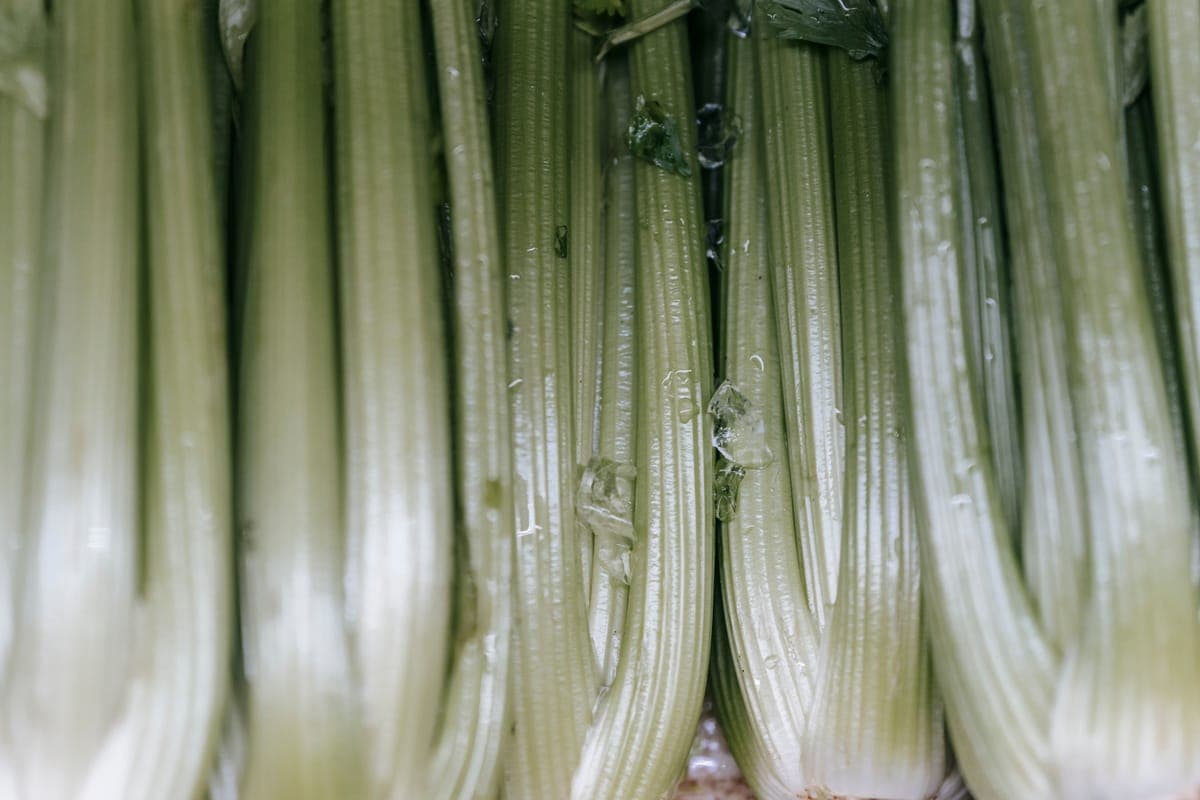
The test you can run yourself
You can measure what the manufacturers have not, with a kitchen scale:
- 1.Weigh your produce before juicing. Write it down.
- 2.Juice it, and weigh the juice.
- 3.Divide. That is your yield, for your produce, on your machine.
- 4.Then squeeze a handful of the ejected pulp over the sink. If liquid runs out of it, the machine or your technique is leaving juice behind.
That last step is the useful one, because it is actionable. Wet pulp means something is fixable, and the usual fixes cost nothing: feed more slowly, cut to a size the auger takes without stalling, clear the screen partway through a long session, and run very wet pulp back through once. Why your juicer is not making much juice covers all of them.
What to do with this when shopping
Shop on the mechanism that suits your produce, on chute width, on parts count and on warranty -- all of which are published -- and treat yield claims as the marketing they currently are. If a page offers you a precise extraction percentage for a specific model, ask where it came from. That question is the most useful one you can bring to this category.
Where documented extraction actually exists
1. The only documented extraction control
Omega NC900HDC
Omega NC900HDC · $200–400 · Our score 7.9/10
Omega states five adjustable end-cap pressure settings and two juicing screens -- the only published mechanism on any machine we cover that lets you change how hard the auger squeezes. That is a documented capability rather than an unverifiable yield claim, which is the entire point of this page. 80 RPM, 15-year limited warranty, 19.22 in wide.
- Yield
- Omega markets high juice yield and five pressure settings; no numeric yield figure is publishedManufacturer claim: Omega Juicers · checked 2026-10-02
- Pulp
- Five adjustable pressure settings and two juicing screens, per OmegaManufacturer claim: Omega Juicers · checked 2026-10-02
- Cleanup time
- Not available - no published cleanup time in minutesNot sourced
- Speed
- Omega states 80 RPM and 150 W outputManufacturer claim: Omega Juicers · checked 2026-10-02
What works
- Five pressure settings give real control over pulp and extraction
- Handles wheatgrass, which most verticals do poorly
- 15-year warranty on a design that has been iterated for years
What does not
- 19.22 in wide, which is a counter-depth problem in small kitchens
- More parts to wash than any vertical here
- 18.7 lb, so it lives out on the counter whether you like it or not
Skip this if: Your counter is shallow, or cleanup is what will make you quit. It is over 19 in wide and there are more parts to wash than on any vertical here.
Representative photo. We have no manufacturer image library, so this is a licensed stock photo of the category, not a photo of this unit.
- Yield9/10
- Pulp9/10
- Cleanup6/10
- Value8/10
- Quiet8/10
2. The most thorough mechanism
Tribest Greenstar Pro
Tribest GSE-5050 series · $400+ · Our score 7.3/10
Twin interlocking gears crush from both sides through a tight gap, which is mechanically the most complete extraction available in a home kitchen. Tribest states 110 RPM, 200 W and a 12-year household warranty. No yield figure is published, so this is a mechanical argument rather than a measurement -- and it weighs 27 lb with the heaviest cleanup we cover.
- Yield
- Not availableNot sourced
- Pulp
- Not availableNot sourced
- Cleanup time
- Not available - no published cleanup time in minutesNot sourced
- Speed
- Tribest states 110 RPM, 200 WManufacturer claim: Tribest · checked 2026-10-02
What works
- Twin-gear trituration is the most thorough mechanism in home juicing
- Handles wheatgrass and hard greens that defeat verticals
- 12-year household warranty
What does not
- 27 lb and 18.6 in wide
- 1.5 in chute, so everything gets chopped first
- The most parts, and the most awkward parts, to clean of anything here
Skip this if: You are buying your first juicer. This is a 27 lb specialist machine with a 1.5 in chute and the heaviest cleanup of anything we cover.
Representative photo. We have no manufacturer image library, so this is a licensed stock photo of the category, not a photo of this unit.
- Yield10/10
- Pulp9/10
- Cleanup4/10
- Value6/10
- Quiet7/10
Questions people ask
Which cold press juicer has the highest yield?
Is the 30 percent more juice claim real?
How do I measure my juicer's yield?
Does a lower RPM mean more juice?
Why do juicer brands not publish yield figures?
Sources
Every figure on this page traces to one of these. Where a source does not publish a number, the page says “Not available” rather than estimating one.
- Hurom H400 Easy Clean — Highest yield within the Easy Clean range claim, no figure stated
- Nama J2 specifications — 20-30 oz per batch depending on ingredients
- AMZCHEF ZM1501 — Seven spiral masticators for maximum yield claim, no figure
- Omega NC900HDC — Five adjustable pressure settings, the only documented extraction control we found
Read next
Cold Press and Masticating Juicers
The slow-auger category: vertical, horizontal and twin gear, judged on yield, pulp, cleanup time and price.
Juicer Yield, Explained
Why juicer yield figures do not exist, where the circulating numbers come from, and how to measure your own.
Why Is My Juicer Not Making Much Juice?
A diagnostic order for thin juice and wet pulp, from the screen outward.
The Highest-Yield Juicers
Yield ranked by mechanism and documented features, with a plain account of why no comparable figures exist.